Upgrading Legacy Aircraft With Advanced Cabin Management Systems
Upgrading your legacy aircraft with advanced cabin management systems helps you meet modern passenger expectations for connectivity, entertainment, and comfort. It also boosts operational efficiency and prepares your fleet for future upgrades. Before you begin, assess your aircraft’s existing hardware and wiring compatibility, then choose a system that supports current and future needs. Proper planning and expert support guarantee smooth integration, so you can enjoy long-term benefits and happier passengers—if you continue exploring, you’ll find how to make this process successful.
Why Upgrading Legacy Aircraft With Cabin Systems Is Essential
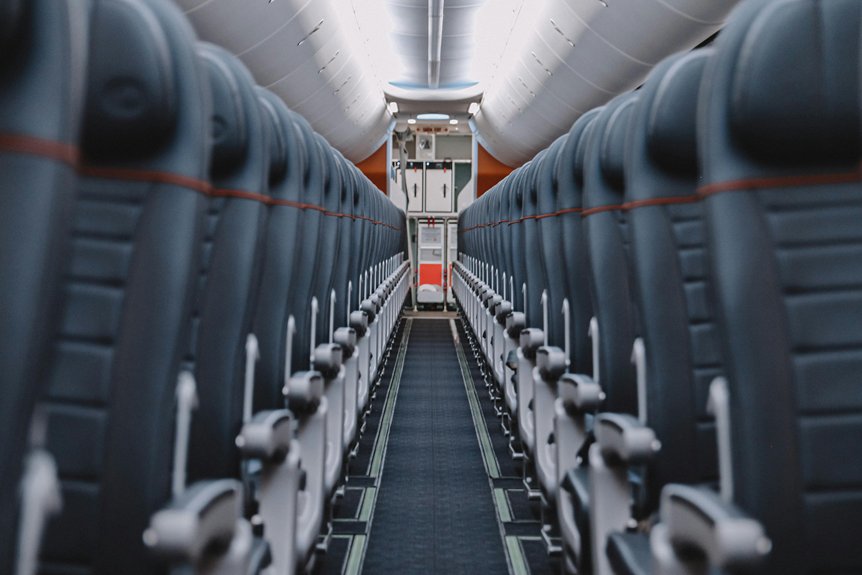
Why is upgrading legacy aircraft with modern cabin systems so crucial today? Because today’s passengers expect seamless wireless connectivity, allowing them to stay connected, work, or relax without interruption.
Upgrading your aircraft enhances passenger personalization, creating a tailored experience that meets individual preferences. Modern cabin systems enable you to offer personalized entertainment, lighting, and climate control, making journeys more comfortable and engaging.
These upgrades also improve operational efficiency, reduce maintenance costs, and future-proof your aircraft for ongoing technological advancements. Incorporating advanced cabin management systems can streamline control and monitoring, leading to more efficient operations. By embracing these innovations, you not only elevate passenger satisfaction but also stay competitive in an evolving market.
Upgrading is essential to meet modern expectations, ensuring your aircraft remains relevant and capable of delivering exceptional, personalized experiences on every flight.
How to Evaluate Compatibility of Your Aircraft for Cabin System Upgrades
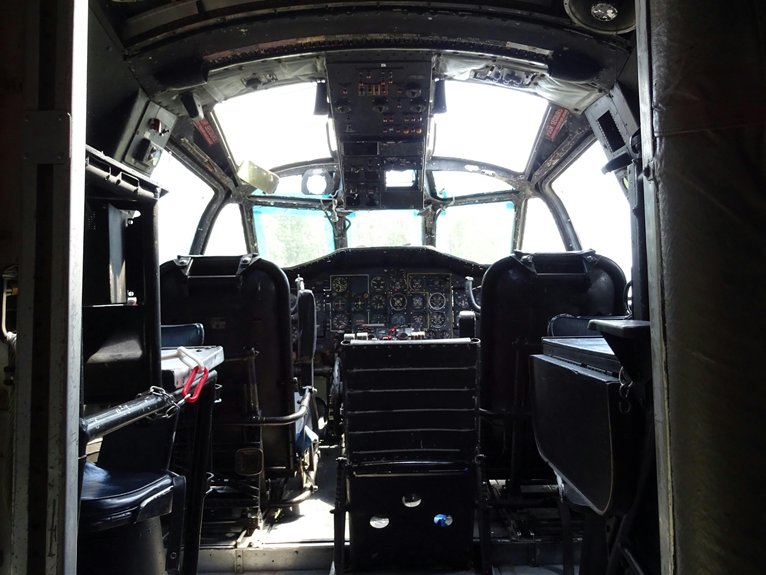
Evaluating your aircraft’s compatibility for cabin system upgrades begins with a thorough review of its existing architecture and systems. You need to assess how well current hardware integration supports new components, especially for wireless connectivity features.
Check if your aircraft’s wiring and data pathways can handle additional or upgraded systems without major modifications. Verify that existing interfaces are compatible with modern standards to avoid costly replacements.
Consider whether your aircraft’s power supply can support the new equipment’s demands. It’s also important to identify any limitations that might restrict wireless connectivity, such as outdated antennas or signal blockers.
Conducting this detailed evaluation helps you determine what upgrades are feasible, what adjustments are necessary, and how smoothly the new cabin management system can integrate into your aircraft.
How to Choose the Best Cabin Management System for Your Fleet
Choosing the right cabin management system for your fleet requires a clear understanding of your operational needs and passenger expectations.
Consider how in-flight entertainment options align with passenger preferences and whether the system supports multiple device connectivity.
Evaluate the flexibility of cabin lighting controls to create the desired ambiance and enhance passenger comfort.
Look for systems that offer seamless integration with existing aircraft hardware and are easy to operate for crew members.
Prioritize user-friendly interfaces and reliable performance to minimize downtime.
Additionally, assess the system’s scalability, so it can grow with your fleet’s evolving needs.
Ultimately, selecting a system that balances advanced features with ease of use ensures a more enjoyable, modern in-flight experience for your passengers.
Planning Your Cabin System Retrofit: Steps for Success
Planning your cabin system retrofit begins with a clear assessment of your current aircraft setup and future goals. You need to identify existing equipment, wiring, and space constraints to determine what upgrades are feasible.
Focus on enhancing wireless connectivity to ensure seamless passenger entertainment options, such as streaming and device integration. Establish your priorities—whether improving cabin aesthetics, functionality, or connectivity—and set a realistic timeline.
Collaborate with experienced suppliers to select compatible systems that can be integrated smoothly. Budget carefully, accounting for installation, testing, and certification.
A well-structured plan minimizes disruptions and ensures your retrofit aligns with your operational needs. By thoroughly preparing, you’ll lay a solid foundation for a successful upgrade that boosts passenger satisfaction and modernizes your aircraft.
Common Challenges When Upgrading Legacy Aircraft and How to Overcome Them
Upgrading legacy aircraft presents several common challenges that can hinder a smooth retrofit process. One major issue is hardware integration; older systems often aren’t compatible with new cabin management technology, requiring careful planning and sometimes custom solutions.
Guaranteeing regulatory compliance is another hurdle, as upgrades must meet aviation authority standards, which can delay progress or increase costs. To overcome these challenges, you should conduct thorough assessments of existing systems early on and work with experienced suppliers familiar with legacy aircraft.
Prioritize solutions that are flexible and scalable, facilitating seamless hardware integration. Additionally, stay updated on regulatory requirements and work closely with certification experts to assure your upgrades are compliant from the start.
Proper planning and expert guidance help you navigate these obstacles efficiently.
Ensuring Long-Term Value and Passenger Satisfaction After Upgrades
To guarantee long-term value and passenger satisfaction after upgrades, it’s essential to focus on continuous performance monitoring and proactive maintenance.
Regularly check your in-flight entertainment systems to ensure seamless operation and quick troubleshooting. Staying ahead of potential issues helps prevent disruptions that could impact passenger experience.
Prioritize maintaining robust passenger connectivity, providing reliable Wi-Fi and communication options to meet expectations.
Gathering feedback from passengers about their in-flight entertainment and connectivity experiences can highlight areas for improvement.
Keeping systems updated and promptly addressing any technical glitches ensures your aircraft remains modern, efficient, and appealing.
This proactive approach not only preserves the value of your upgrades but also demonstrates your commitment to delivering a high-quality, satisfying journey for every passenger.
Next Steps: Implementing and Maintaining Your Cabin Management System
Implementing and maintaining your cabin management system requires a strategic approach to guarantee seamless operation and long-term reliability. Start by establishing a thorough plan that includes regular updates and remote diagnostics to identify issues before they affect passengers.
Remote diagnostics allow you to monitor system health in real-time, reducing downtime and maintenance costs. Equally important is crew training; ensure your staff understands the system’s features and troubleshooting procedures. Proper training minimizes user errors and speeds up problem resolution.
Regular maintenance schedules should be integrated into your plan, and you should stay updated with manufacturer support. By combining proactive remote diagnostics with well-trained crew, you’ll ensure your cabin management system remains reliable, efficient, and capable of delivering an exceptional passenger experience.
Conclusion
Upgrading your legacy aircraft with advanced cabin management systems is a smart move to enhance passenger experience and guarantee long-term value. By carefully evaluating compatibility, choosing the right system, and planning your retrofit thoroughly, you can overcome challenges and enjoy a seamless upgrade. Stay committed to maintenance and updates, and you’ll keep your fleet modern, efficient, and passenger-friendly for years to come. To learn more, contact DPI Labs by visiting us online at DPI Labs. Take these steps confidently to maximize your investment and elevate your aircraft’s performance.