Touchscreen vs App-Based Aircraft Cabin Control Systems
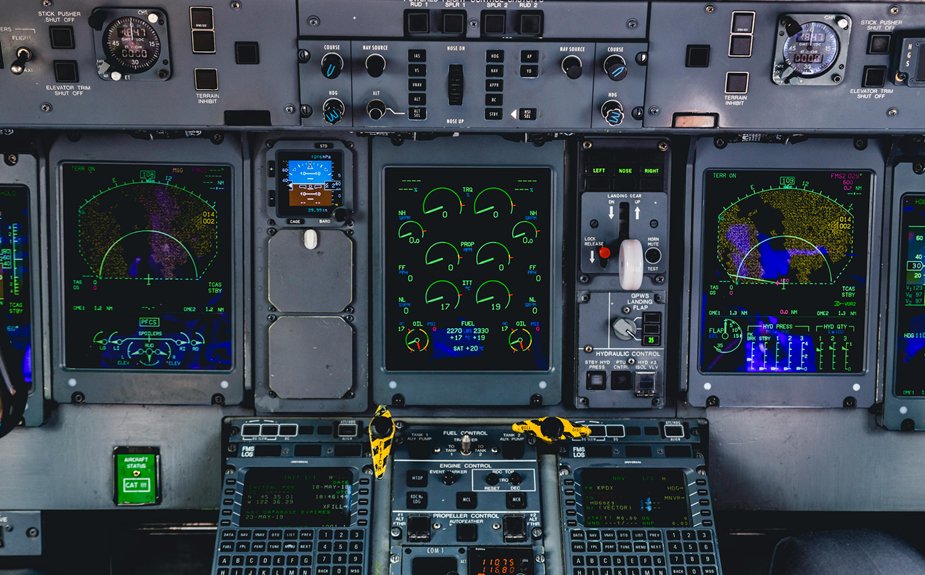
Touchscreen and app-based aircraft cabin control systems each offer unique advantages. Touchscreens provide quick, tactile access to functions like lighting and entertainment, making them easy to use during the flight. App controls allow you to manage cabin settings discreetly from your device before and during the journey, offering personalization and convenience. Both systems are designed for safety and efficiency, but their differences can impact your comfort and experience—discover how each system caters to your needs.
What Are Cabin Control Systems and How Do They Work?
Cabin control systems are the technology interfaces that let passengers and crew manage various in-flight functions, such as lighting, temperature, entertainment, and seat adjustments.
When it comes to in-flight entertainment, these systems let you choose movies, music, or shows easily, often through touchscreens or apps.
Cabin lighting controls help set the mood or brighten the cabin for reading and other activities.
These systems are integrated into the aircraft’s design, allowing you to personalize your experience quickly.
With user-friendly controls, you can adjust lighting levels or select entertainment options without hassle.
Overall, cabin control systems streamline in-flight management, making your journey more comfortable and tailored to your preferences.
They’re essential for modern aircraft, enhancing convenience and passenger satisfaction.
How Do Touchscreen Control Systems Function in Aircraft Cabins?
Touchscreen control systems in aircraft cabins operate through a combination of hardware and software that allows passengers to manage various functions with simple taps and swipes. These systems often include gesture recognition technology, enabling you to perform commands with natural movements like pinching or sliding. Voice activation is also integrated, letting you control in-flight entertainment, lighting, and climate settings using spoken commands. When you interact with the screen, sensors detect your gestures, translating them into actions on the system. Voice commands are processed through onboard microphones and voice recognition software, providing a hands-free way to customize your experience. This seamless integration of gesture recognition and voice activation makes cabin control intuitive, quick, and user-friendly, enhancing your overall in-flight comfort and convenience. Additionally, these systems utilize advanced SmartLink™ architecture to ensure reliable and redundant operation, minimizing system downtime during your flight.
What Are the Benefits of App-Based Cabin Controls?
Using app-based cabin controls offers several practical advantages that enhance your in-flight experience. One key benefit is wireless convenience—you can control lighting, temperature, and entertainment from your personal device without needing to touch shared screens. This gives you a more personalized experience, allowing you to set preferences quickly and easily.
App controls often provide intuitive interfaces, making it simple to customize your environment exactly how you like it. Plus, since the system is connected wirelessly, you avoid clutter and potential hygiene concerns associated with shared touchscreens.
This seamless connectivity means you can manage your cabin environment discreetly from your seat, improving comfort and convenience throughout your flight. Overall, app-based controls put more power in your hands, making your journey more enjoyable.
Which Control System Offers the Best User Experience?
When it comes to delivering the best user experience, app-based controls generally outperform touchscreen systems because they offer greater customization, ease of use, and hygiene benefits.
With an app-based system, your user interface is more intuitive, allowing you to quickly find and select options tailored to your preferences. This personalization boosts user satisfaction and minimizes frustration.
Additionally, controlling cabin features through an app means you avoid touching shared surfaces, enhancing hygiene. The ability to operate controls remotely and customize settings enhances convenience and simplifies your experience.
How Are Cabin Control Systems Installed, Maintained, and Made Durable?
Installing cabin control systems involves careful planning and integration to guarantee seamless operation and user satisfaction. You need to select high-quality components designed for the aircraft environment, ensuring installation durability. Proper wiring, secure mounting, and compatibility with existing systems are essential steps to prevent future issues.
Once installed, regular maintenance procedures keep the systems functioning efficiently; this includes software updates, cleaning interfaces, and checking for hardware wear. Durable materials and robust construction enhance the system’s lifespan, resisting vibration, temperature fluctuations, and handling stress.
To maximize durability, you should follow manufacturer guidelines for inspections and repairs. Overall, meticulous installation, consistent maintenance, and durable design choices ensure your cabin control system remains reliable throughout its service life.
Are Cabin Control Technologies Safe and Secure?
Cabin control technologies must prioritize safety and security to protect passengers and aircraft operations. Cybersecurity concerns are critical, as these systems could be targeted by hackers seeking to disrupt flights or access sensitive data. Manufacturers implement encryption and secure protocols to defend against such threats, ensuring that control systems remain reliable.
Data privacy also matters; personal information collected through app-based controls or touchscreens must be protected from unauthorized access. Regular security updates and strict access controls help mitigate vulnerabilities.
What Are the Cost Differences Between Touchscreens and App Controls?
Choosing between touchscreens and app-based controls involves considering their initial and ongoing costs. A thorough cost analysis reveals that touchscreens typically have higher installation expenses due to the need for hardware integration and specialized mounting. These systems often require more extensive wiring, physical components, and calibration, increasing upfront costs.
In contrast, app controls generally incur lower installation expenses because they rely on existing devices like tablets or smartphones, reducing hardware costs and setup time. However, you should also factor in ongoing costs, such as maintenance or software updates. While app controls may be cheaper initially, they might require more frequent updates or replacements.
Can Passengers Personalize Their Cabin Controls?
Passengers increasingly expect to customize their in-flight experience, and cabin control systems now offer a range of personalization options. With user customization, you can adjust lighting, temperature, and entertainment preferences to suit your comfort.
Touchscreens often allow you to save settings for future flights, creating a tailored experience. App-based systems typically provide even more flexibility, letting you modify controls before and during your flight via your device.
This level of personalization helps you feel more at home and enhances overall satisfaction. Whether through intuitive touch interfaces or smartphone apps, airlines are recognizing that giving you control over your environment improves your journey.
Personalized cabin controls ensure you get the comfort and convenience you desire, making each flight more enjoyable.
What Are the Future Trends Shaping Cabin Control Systems?
Emerging technologies like artificial intelligence, biometric authentication, and augmented reality are set to revolutionize how cabin control systems operate in the future.
Augmented reality can project information directly onto your field of view, making it easier to adjust lighting, temperature, or entertainment without touching a screen.
Voice commands will become more sophisticated, enabling hands-free control that feels natural and intuitive. These advancements will make cabin management faster, more personalized, and less intrusive.
Biometric authentication can streamline the login process, enhancing security while reducing unnecessary touchpoints.
Which System Is Best for Comfort, Safety, and Efficiency?
As cabin control systems evolve with advanced technologies, their impact on comfort, safety, and efficiency becomes increasingly significant. You’ll find that touchscreen systems often enhance comfort by offering intuitive control over in-flight entertainment and adjusting cabin ambiance quickly. They provide real-time safety updates and streamline communication with crew, boosting safety.
App-based controls, on the other hand, allow you to personalize your experience before and during the flight, improving overall comfort. They also reduce touchpoints, minimizing contamination risks and supporting safety protocols.
In terms of efficiency, both systems aim to optimize energy use and simplify cabin management. Ultimately, the best choice depends on your priorities—whether you value seamless comfort and ambiance control or safety and convenience through personalized, contactless options.
Conclusion
Ultimately, choosing between touchscreen and app-based cabin control systems depends on your priorities. Touchscreens offer intuitive, immediate access, while app controls provide convenience and personalization. Consider your comfort, safety, and budget when deciding. Both systems are evolving with technology, promising better experiences ahead. Whichever you choose, make certain it aligns with your needs for a smoother, more enjoyable flight. Your perfect cabin control system is within reach—just pick what suits you best. To learn more, contact DPI Labs by visiting us online at DPI Labs.