Soundproofing and Acoustic Engineering for Aircraft Interiors
Effective soundproofing and acoustic engineering in aircraft interiors improve your comfort by reducing engine and airflow noise, creating a peaceful environment. Materials like lightweight composites, sound-absorbing foams, and strategic layouts help dampen noise without adding weight. Techniques such as optimized seating, soundproof panels, and barriers further enhance quietness. By understanding these methods, you’ll see how aircraft design reduces distractions and stress, making your flight more relaxing. Keep exploring to discover how these innovations can enhance your travel experience.
Why Soundproofing Matters for Passenger Comfort
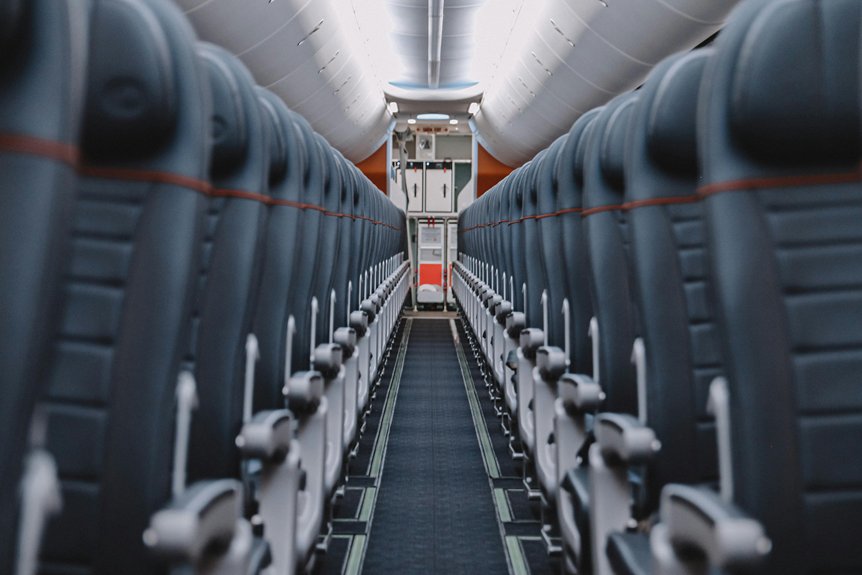
Soundproofing plays an essential role in ensuring passenger comfort during flights. Without effective noise cancellation, the constant hum of engines and cabin chatter can make relaxation nearly impossible.
When noise levels are high, your ability to rest or focus diminishes, leading to discomfort and fatigue. Proper soundproofing reduces these distractions, allowing passengers to enjoy a quieter environment.
This enhanced acoustic experience promotes passenger relaxation, making long flights more tolerable. By minimizing external sounds, airlines help travelers arrive at their destination feeling more refreshed.
Soundproofing isn’t just about comfort; it also improves sleep quality and overall well-being during travel. Ultimately, effective noise management transforms the cabin into a peaceful space, making flights more pleasant and less stressful for everyone onboard. Additionally, advanced acoustic engineering solutions, such as specialized insulation and sound-dampening materials, further enhance the effectiveness of aircraft cabin soundproofing.
What Materials Are Used for Aircraft Soundproofing
Aircraft manufacturers select specialized materials to effectively reduce noise within cabins. Composite panels are commonly used because they combine lightweight durability with soundproofing qualities, helping to block engine and airflow noise. These panels are often installed in walls and ceilings, providing a solid barrier that minimizes sound transmission.
Sound absorbing foams are another essential material, placed in hidden areas like side panels and ceiling linings. They absorb sound waves, preventing them from bouncing around the cabin and creating echo or noise discomfort.
Both composite panels and sound absorbing foams are chosen for their effectiveness and weight efficiency, ensuring passenger comfort without adding unnecessary weight. These materials work together to create a quieter, more comfortable flying experience.
Modern Design Techniques to Reduce Cabin Noise
Modern design techniques go beyond material selection to actively minimize cabin noise through innovative engineering and layout strategies.
You can optimize seating arrangements by staggering seats and grouping quieter zones away from noise sources, reducing overall sound levels.
Incorporating ambient lighting thoughtfully not only enhances passenger comfort but also helps mask ambient noise, creating a more peaceful environment.
Strategic placement of partitions and barriers further dampens sound transmission between sections.
Additionally, designing the cabin with acoustic panels integrated into walls and ceilings absorbs sound waves effectively.
These approaches work together to create a quieter atmosphere, improving passenger experience without relying solely on soundproof materials.
How Are Engine and Airflow Noise Minimized in Aircraft
Engine and airflow noise are minimized through a combination of advanced engineering techniques designed to dampen vibrations and reduce sound transmission. You’ll notice engine muffling plays a key role, where acoustic panels and vibration dampers absorb engine vibrations before they reach the cabin.
Additionally, airflow reduction strategies are implemented by optimizing engine design and airflow paths to lower turbulence and noise generation. Engineers also incorporate sound-absorbing materials around engine mounts and along airflow ducts to block noise from reaching passengers.
These methods work together to markedly decrease noise levels, ensuring a quieter flight experience. By controlling vibrations and airflow turbulence at the source, aircraft manufacturers improve comfort without sacrificing performance or efficiency.
How Cabin Layout and Materials Affect Noise Levels
The layout of the cabin and the choice of materials considerably influence noise levels inside the aircraft. By optimizing the cabin layout, you can reduce noise pathways, such as positioning noise sources away from passenger areas and designing partitions that dampen sound transmission.
Material selection plays a vital role; using sound-absorbing materials like acoustic panels, carpets, and insulated wall panels helps absorb vibrations and reduce echo. Proper cabin layout optimization minimizes direct contact with noisy components and creates barriers that prevent sound from traveling freely.
Selecting lightweight, sound-dampening materials enhances comfort without adding excessive weight. Together, these strategies markedly lower ambient noise, making the interior more comfortable and quieter for passengers.
Your choices in layout and materials directly impact the acoustic environment inside the aircraft.
Standards and Tests for Measuring Aircraft Noise
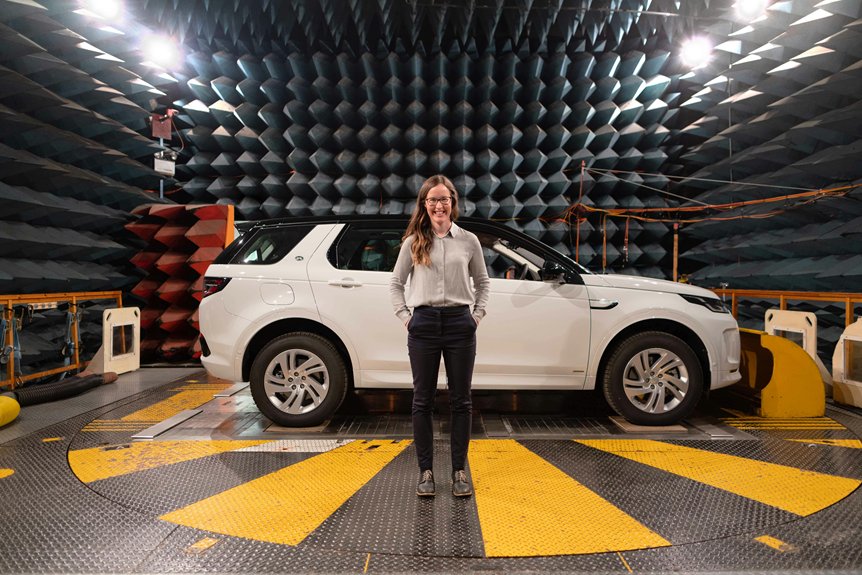
To effectively manage and improve aircraft noise levels, it’s important to have standardized methods for measuring sound emissions. Aircraft noise standards set the benchmarks for acceptable noise levels during various flight phases, ensuring consistency across the industry.
These standards guide the development of acoustic measurement protocols, which detail how to accurately capture and analyze noise data. You’ll find that tests often involve measuring sound pressure levels inside and outside the aircraft, using calibrated microphones and specialized equipment.
Emerging Trends in Acoustic Engineering for Aircraft
Advancements in acoustic engineering are transforming how aircraft designers address noise reduction, driven by the need for quieter, more comfortable cabins. Noise cancellation technology is becoming more sophisticated, actively reducing engine and ambient noise through adaptive systems.
Meanwhile, innovative acoustic paneling materials are being developed to absorb sound more effectively without adding weight. These new paneling solutions integrate lightweight, sustainable materials that enhance soundproofing while maintaining structural integrity.
Additionally, designers are exploring 3D-printed acoustic solutions tailored to specific cabin zones, optimizing sound absorption. These emerging trends aim to create a more pleasant environment for passengers and crew, blending cutting-edge noise control techniques with practical, lightweight materials.
The focus remains on improving acoustic comfort through innovative, integrated solutions in aircraft interior design.
Benefits of Enhanced Soundproofing for Passengers and Airlines
Enhanced soundproofing considerably improves passenger comfort by reducing engine and ambient noise, allowing you to relax, sleep, or work more easily during flights. When noise levels are lower, your in-flight entertainment becomes clearer and more enjoyable without the need to increase volume. This creates a more pleasant environment and minimizes fatigue.
Additionally, improved soundproofing enhances the effectiveness of cabin lighting by reducing echoes and background noise, making visual elements more prominent and comfortable to view.
For airlines, these benefits translate into higher passenger satisfaction, fewer complaints, and a competitive edge. It also supports better rest and productivity onboard, ultimately leading to more positive travel experiences and increased loyalty.
Enhanced soundproofing truly benefits both passengers and airlines by creating a quieter, more comfortable cabin environment.
Tips for Passengers to Enjoy Quieter Flights
While airplane cabins are increasingly equipped with soundproofing, you can take simple steps to enjoy quieter flights. Choose seats near the front or away from engines and galley areas to reduce noise.
Use noise-canceling headphones or earplugs to block out background sounds, letting you focus on in-flight entertainment or rest.
Adjust your seat comfort by reclining slightly and supporting your neck with a pillow, creating a more relaxed environment.
Keeping your personal space organized minimizes distractions and improves comfort overall.
Avoid unnecessary movement and conversations near you, and politely ask fellow passengers to keep noise levels down if needed.
These small adjustments help you enjoy a more peaceful flight, enhancing your in-flight entertainment experience and ensuring you arrive refreshed.
Conclusion
Enhancing aircraft soundproofing improves your travel experience by creating a quieter, more comfortable cabin. By understanding the materials, design techniques, and standards used, you can appreciate the effort that goes into reducing noise. Whether you’re a passenger or an industry professional, embracing emerging trends ensures better comfort for everyone. For more information, to learn more about innovative acoustic solutions, or to discuss your needs, contact DPI Labs by visiting us online at DPI Labs. So next time you fly, enjoy the peaceful journey and the benefits of advanced acoustic engineering that make your flight more enjoyable.