RGB and Mood Lighting Solutions for Aircraft Cabins
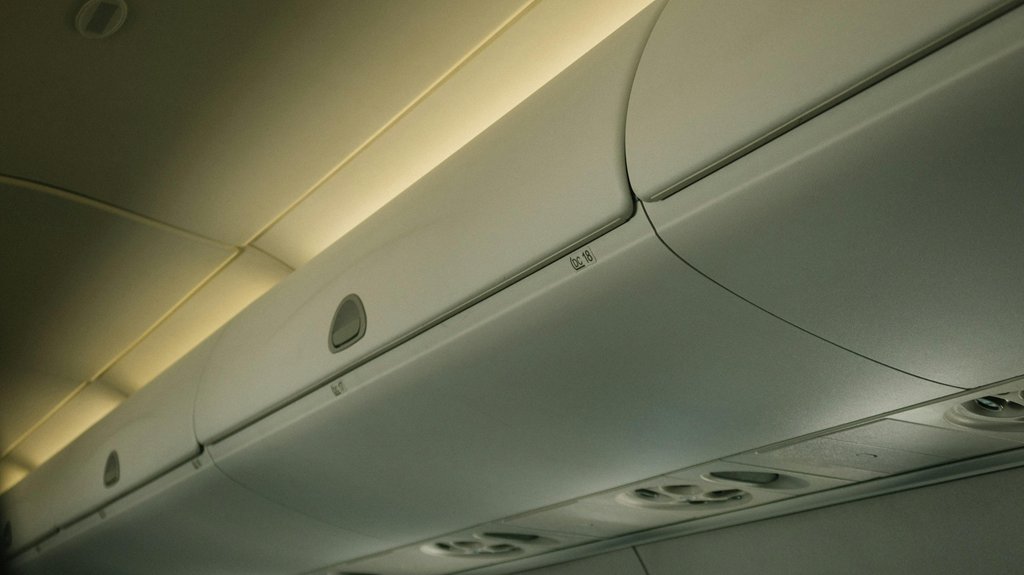
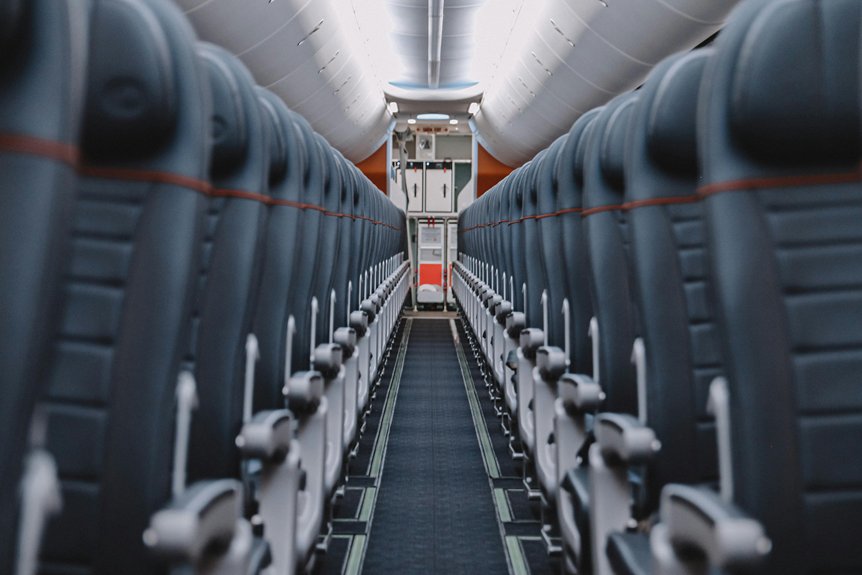
RGB and mood lighting solutions for aircraft cabins create personalized and immersive environments that boost passenger comfort and well-being. These systems use adjustable LEDs and fiber optics controlled through centralized systems, allowing you to customize colors, brightness, and timing for different flight stages. By influencing mood and reducing stress, they enhance the overall flying experience. To discover how these innovative lighting options can transform skies, explore further below.
Why Passenger Comfort Matters in Aircraft Cabin Design
Passenger comfort plays a crucial role in the overall flying experience, influencing customer satisfaction and airline loyalty. When designing cabins, you need to contemplate how features like lighting affect comfort without adding unnecessary aircraft weight.
Lighter cabin designs help reduce aircraft weight, improving fuel efficiency and lowering operating costs. Additionally, incorporating comfortable lighting solutions can decrease maintenance costs by using durable, energy-efficient systems that require less upkeep.
Ensuring passengers feel relaxed and at ease encourages repeat travel, boosting airline reputation. Comfort isn’t just about seat design; it involves creating an environment that minimizes stress and fatigue.
Thoughtful lighting choices, like RGB and mood lighting, can enhance the ambiance without compromising aircraft weight or increasing maintenance expenses, making the overall flight experience better for everyone. Implementing advanced cabin management systems allows for seamless customization of lighting and entertainment, further elevating passenger comfort.
How RGB and Mood Lighting Address Passenger Needs
Lighting plays a key role in shaping the atmosphere inside an aircraft cabin, directly impacting how passengers feel during their journey. RGB and mood lighting create customizable ambient illumination that can adjust to different phases of flight, helping you relax or stay alert as needed.
By leveraging color psychology, these lighting systems influence your mood, reducing stress and promoting comfort. For example, soft blue hues can foster calmness during nighttime, while warmer tones energize during daytime.
This dynamic lighting responds to your needs, making your experience more personalized and less monotonous. Ultimately, RGB and mood lighting not only enhance visual appeal but also address emotional and physiological passenger needs, contributing to a more pleasant, comfortable flight.
What Types of RGB and Mood Lighting Systems Are Available?
There are several types of RGB and mood lighting systems available that cater to the diverse needs of modern aircraft cabins. LED strips are popular because they’re flexible, easy to install, and offer customizable colors and brightness levels. These strips can be integrated into ceiling panels, walls, or indirect lighting features, creating a seamless ambiance.
Fiber optics are another option, providing uniform, glare-free illumination that enhances the cabin’s aesthetic. They’re ideal for accent lighting or dynamic color changes, offering a sleek, sophisticated look.
Both LED strips and fiber optics can be controlled via centralized systems, enabling airlines to adjust lighting scenes based on time of day, mood, or passenger preferences. These systems combine functionality and style, elevating the passenger experience.
How to Choose the Best Cabin Lighting for Your Airline
Choosing the right cabin lighting for your airline involves evaluating your operational needs, passenger comfort goals, and brand identity. Focus on how lighting affects seat ergonomics—well-designed lighting can reduce fatigue and enhance overall comfort.
Consider how your lighting complements your in-flight entertainment system, creating an immersive experience that keeps passengers engaged and relaxed. Adjustable RGB and mood lighting allow you to tailor the atmosphere for different stages of flight, from boarding to landing.
Bright, vibrant lighting can energize passengers, while softer tones promote relaxation. Ensure your lighting system integrates seamlessly with cabin architecture and is easy to control for crew members.
Ultimately, selecting lighting that aligns with your airline’s image and enhances passenger experience will set you apart.
Using Circadian-Friendly Lighting to Reduce Jet Lag
Since jet lag occurs when your internal clock is out of sync with the new time zone, implementing circadian-friendly lighting in aircraft cabins can help synchronize passengers’ rhythms more quickly.
Light therapy plays a key role here by mimicking natural daylight, which influences your circadian rhythm and promotes alertness or sleepiness as needed.
By adjusting the color temperature and intensity of cabin lighting throughout the flight, you can support your body’s natural processes, reducing fatigue and jet lag symptoms.
This approach encourages your internal clock to reset faster, helping you adapt to the new time zone more efficiently.
Using circadian-friendly lighting isn’t just a comfort feature; it’s a scientifically backed method to improve travel well-being and overall passenger experience.
Current Design Trends and Visual Ideas for Airline Lighting
Modern airline lighting design embraces innovative visual ideas that enhance passenger comfort and cabin ambiance. Skyline aesthetics are increasingly popular, using dynamic lighting to mimic cityscapes or natural horizons, creating a calming visual effect. These designs foster a sense of openness and tranquility, making the cabin feel more spacious.
Color psychology plays an essential role, with soft blues and warm ambers promoting relaxation, while vibrant reds and purples energize passengers during daytime or pre-landing phases. Current trends also incorporate subtle gradients and customizable lighting zones, allowing airlines to adapt the mood to different flight stages or passenger preferences.
What Are the Challenges and Safety Consider in In-Flight Lighting?
Implementing in-flight lighting systems presents several safety challenges that must be carefully managed. During emergency procedures, lighting must guarantee clear visibility without causing disorientation or panic. Properly designed lighting can support safe evacuation and crew coordination, but poor implementation may hinder visibility or create confusion.
Maintenance safety is also critical; technicians need access to lighting components without risking electrical hazards or damaging sensitive systems. Regular inspections and repairs must follow strict protocols to prevent malfunctions that could compromise safety.
Additionally, lighting controls should be fail-safe, ensuring they don’t interfere with essential aircraft systems. Balancing aesthetic enhancements with safety requirements requires meticulous planning, testing, and adherence to aviation safety standards to ensure the lighting system supports passenger safety at all times.
What Is the ROI of Upgrading to Mood Lighting Systems?
Upgrading to mood lighting systems offers a compelling return on investment by enhancing passenger experience and operational efficiency. While lighting regulations govern safety standards, modern systems can be designed to comply easily, reducing legal risks.
The true value comes from understanding color psychology; well-designed lighting influences passenger comfort, mood, and perception of the cabin environment. This can lead to increased customer satisfaction and loyalty.
Additionally, mood lighting can streamline cabin management, saving energy and maintenance costs over time. The improved ambiance can also facilitate quicker boarding and disembarking, boosting turnaround times.
How Airlines Are Using RGB Lighting to Enhance Passenger Experience
Airlines are increasingly harnessing RGB lighting to transform the in-flight experience, creating dynamic and customizable environments that cater to passenger comfort. By applying color psychology, airlines can influence mood and relaxation, shifting lighting to promote calm during night flights or energize passengers with vibrant hues.
Lighting automation allows seamless adjustments based on flight phases, time zones, or passenger preferences, enhancing the onboard atmosphere effortlessly. These strategies help reduce stress, improve sleep quality, and elevate overall satisfaction.
With RGB lighting, you experience cabin environments that adapt in real-time, making your journey more pleasant and personalized. Airlines recognize that well-designed lighting isn’t just aesthetic—it’s a powerful tool to enhance comfort, well-being, and the overall passenger experience.
The Future of Aircraft Cabin Lighting: Innovations to Watch
As technology advances, the future of aircraft cabin lighting promises to deliver even more personalized and immersive experiences. Expect innovations in lighting customization that allow you to adjust brightness, color, and timing based on your preferences or flight phases.
Advanced systems will harness color psychology to influence passenger mood, promoting relaxation or alertness as needed. Dynamic lighting will adapt in real-time, creating atmospheres that enhance comfort and well-being.
Manufacturers are exploring smarter controls and AI integration, enabling seamless adjustments tailored to individual passengers. These innovations aim to improve overall cabin ambiance, making every journey feel more tailored and emotionally engaging.
As a result, future cabin lighting won’t just illuminate but actively enhance your travel experience through thoughtful design and technological sophistication.
Conclusion
By choosing the right RGB and mood lighting solutions, you can greatly boost passenger comfort and satisfaction. These systems not only create a more enjoyable flying experience but also help reduce jet lag and enhance your airline’s brand. As technology advances, you’ll see more innovative lighting options that make flights more relaxing and personalized. To learn more, contact DPI Labs by visiting us online at DPI Labs. Embrace these lighting solutions to stand out in a competitive market and guarantee your passengers arrive refreshed and happy.