How Aircraft LED Lighting Improves Ambiance and Passenger Experience
Aircraft LED lighting enhances your experience by creating a comfortable, personalized environment that suits different flight stages. You can enjoy dynamic colors and adjustable intensities that set calming or energizing moods, helping reduce fatigue and jet lag. Plus, LED systems save energy and require less maintenance, making the cabin more modern and inviting. To discover how these innovations can transform your journey further, explore the detailed benefits and future trends.
How Does LED Lighting Improve Cabin Atmosphere?
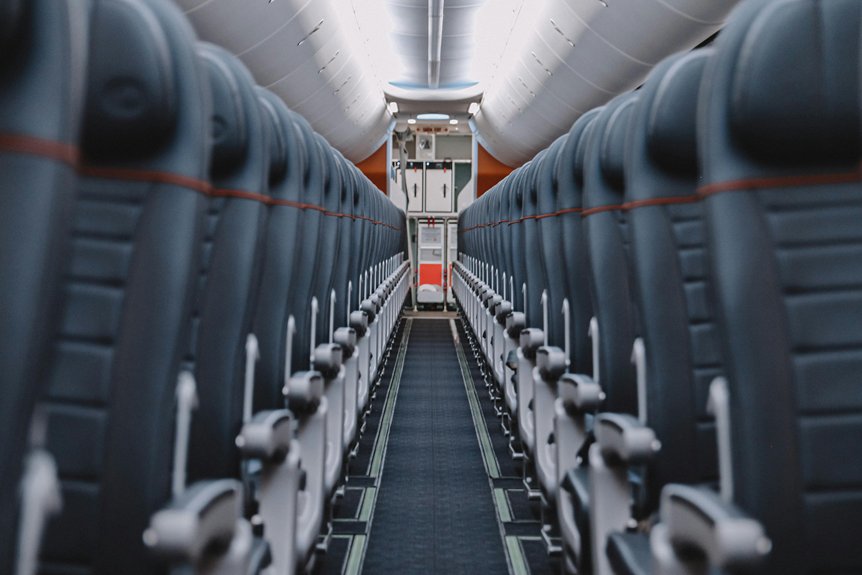
LED lighting enhances the cabin atmosphere by creating a more comfortable and inviting environment. It allows you to customize the cabin decor with various colors and intensities, setting the mood for passengers. This flexibility helps reduce fatigue and stress, making the flight experience more pleasant. Moreover, DPI Labs offers advanced lighting solutions designed specifically for aerospace applications, further elevating cabin ambiance and efficiency. Additionally, LED lights are energy-efficient and emit less heat, which supports better maintenance practices by lowering cooling needs and reducing bulb replacements. Their long lifespan means fewer disruptions for repairs, keeping the cabin consistently well-lit.
What Are the Benefits of Dynamic LED Colors for Passengers?
Because they can change colors and intensities in real-time, dynamic LED lights considerably enhance your passenger experience by making the environment more engaging and personalized. These lights allow for mood enhancement, helping to create calming or energizing atmospheres based on the flight phase or time of day.
With color customization, airlines can tailor lighting schemes to match different moments, such as a relaxing sunset or an alert boarding process. This flexibility helps you feel more comfortable and connected, reducing stress and fatigue.
Dynamic LED colors also add visual interest, making the cabin feel modern and sophisticated. Overall, this technology transforms standard lighting into an interactive feature that improves your overall journey, ensuring a more enjoyable and tailored passenger experience.
Why Are LED Lighting Systems More Energy-Efficient?
Dynamic LED lighting not only enhances your experience with vibrant colors and moods but also offers significant energy savings. Unlike traditional incandescent or halogen lights, LED systems consume less power because they convert electricity directly into light without wasting energy as heat.
This efficiency means airlines use less fuel for lighting, leading to considerable cost reduction over time. Additionally, LED lights have a longer lifespan, reducing maintenance needs and replacement expenses. Their ability to operate at lower voltages further decreases power consumption.
How Can Airlines Customize Lighting for Different Flight Phases?
Airlines can tailor cabin lighting to suit different flight phases by adjusting color, intensity, and timing to enhance passenger comfort and operational needs. Ambient customization allows you to create specific atmospheres for boarding, cruising, and landing, helping passengers feel relaxed or alert as needed.
During boarding and deplaning, softer lighting sets a welcoming mood, while brighter, cooler tones during meal service promote alertness. As the flight progresses, lighting can shift subtly to match the natural circadian rhythm, reducing fatigue.
With precise control over lighting during each phase, you can optimize mood setting, ensuring passengers feel comfortable and engaged. This strategic lighting adjustment enhances the overall flight experience while supporting airline efficiency and safety.
How Does LED Lighting Boost Passenger Satisfaction?
LED lighting plays a significant role in enhancing passenger satisfaction by creating a more comfortable and personalized environment onboard. Its aesthetic appeal transforms the cabin, making it feel modern and inviting.
When lighting adjusts to different settings, it helps set the right mood, whether calming during overnight flights or energizing during daytime travel. This mood enhancement keeps passengers relaxed and improves their overall experience.
Bright, warm or cool lighting options can reduce fatigue and discomfort, allowing you to feel more at ease. By tailoring lighting to your preferences or flight phases, airlines foster a sense of control and comfort.
Ultimately, LED lighting makes your journey more enjoyable, helping you arrive feeling refreshed and satisfied.
What Are Key Considerations for Installing LED Lights on Aircraft?
Installing LED lights on an aircraft requires careful planning to guarantee safety, efficiency, and compliance with aviation standards. You should prioritize installation safety by working with certified professionals experienced in aviation wiring and regulations.
Wireless controls are a key consideration, offering flexibility for cabin lighting adjustments without complex wiring. Make sure that the LED systems are compatible with existing aircraft systems and meet all certification requirements.
Proper placement is essential to avoid interference with safety equipment and passenger comfort. You also need to verify that the installation process minimizes downtime and adheres to strict safety protocols.
Can LED Lighting Help Reduce Jet Lag and Improve Mood?
Since exposure to natural light helps regulate your internal body clock, artificial lighting that mimics daylight can play an essential role in reducing jet lag and boosting mood during flights.
LED lighting systems designed to align with your circadian rhythms can help you stay alert or relaxed, depending on the time of day. By adjusting color temperature and brightness, LED lights promote mood enhancement and support your body’s natural sleep-wake cycle.
This synchronization helps minimize fatigue, disorientation, and sleep disturbances often caused by long flights across time zones. As a result, passengers experience less jet lag and arrive feeling refreshed.
LED lighting’s ability to influence circadian rhythms makes it an invaluable tool for improving overall comfort and mental well-being during air travel.
How Does LED Lighting Compare to Traditional Cabin Lights?
Compared to traditional cabin lighting, LED systems offer notable advantages in energy efficiency, longevity, and flexibility. They enable more dynamic lighting design, allowing airlines to create customizable atmospheres that enhance passenger comfort.
LEDs consume less power, reducing airline energy costs and environmental impact. Additionally, they last much longer, which minimizes maintenance challenges and reduces the frequency of bulb replacements.
Traditional lighting often requires more frequent upkeep and can be limited in design options, restricting ambiance possibilities.
LED lighting’s adaptability also supports varied lighting schemes throughout the flight, from bright illumination during boarding to soothing tones during sleep periods.
What Are the Future Trends in Aircraft LED Lighting Technology?
Advancements in LED technology are shaping the future of aircraft lighting, promising even greater efficiency, customization, and passenger comfort. Future trends include smarter lighting systems similar to those used in smart homes, enabling dynamic adjustments based on time or mood.
Integration with automotive lighting concepts will allow personalized color schemes and adaptive brightness, enhancing ambiance. Expect more widespread use of tunable LEDs that can change color and intensity seamlessly.
These innovations will also enable better energy management, reducing aircraft power consumption. Enhanced connectivity will allow lighting systems to synchronize with other onboard technologies, creating immersive experiences.
As these trends evolve, you’ll benefit from more tailored lighting environments that boost comfort, reduce fatigue, and elevate your overall flying experience.
Conclusion
By upgrading to LED lighting, you enhance the cabin ambiance, making flights more comfortable and enjoyable. You’ll benefit from energy efficiency, customizable colors, and improved passenger satisfaction. LED systems also help reduce jet lag and create a modern, inviting atmosphere. As technology advances, expect even more personalized and innovative lighting options that elevate your flying experience, ensuring every journey feels relaxing, vibrant, and tailored just for you. To learn more, contact DPI Labs by visiting us online at DPI Labs