Aircraft Interior Refurbishment vs Full Restoration


When choosing between aircraft interior refurbishment and full restoration, consider your goals, aircraft condition, and budget. Refurbishment offers quick, cost-effective updates with cosmetic changes and modern upgrades, ideal for aircraft still structurally sound. Full restoration involves detailed work to restore or replicate the original design, boosting value and authenticity but taking longer and costing more. Understanding the differences helps you make the best decision—continue exploring to discover which approach suits your aircraft best.
How Do Interior Refurbishment and Full Restoration Differ?
While both interior refurbishment and full restoration aim to improve an aircraft’s interior, they differ considerably in scope and depth. Material differences play a key role; refurbishment typically involves updating or replacing worn surfaces and fabrics, while restoration uses high-quality, original materials to restore the aircraft to its original state.
The aesthetic focus also varies: refurbishment emphasizes modernizing and revitalizing the look, often with cost-effective upgrades, whereas restoration aims to preserve or replicate the authentic design and craftsmanship.
Refurbishment is generally quicker and less invasive, focusing on appearance and comfort. Restoration, on the other hand, involves a more detailed process to preserve historical integrity, often requiring specialized skills and a meticulous approach to maintain authenticity.
When Should You Choose Refurbishment Over Restoration?
Deciding between refurbishment and restoration depends on your aircraft’s condition, goals, and budget.
If your goal is to preserve vintage authenticity while updating key features, refurbishment is ideal. It allows you to incorporate luxury materials and modern amenities without stripping away the aircraft’s original character. Choose refurbishment when your interior is still structurally sound, but you want a fresh look or improved functionality. It’s a cost-effective way to modernize while maintaining the essence of the aircraft’s vintage appeal.
Conversely, if your interior has significant wear or damage, restoration might be necessary. But for those seeking a balance of elegance and practicality, refurbishment offers the perfect solution to upgrade your aircraft’s interior while respecting its unique heritage. Advanced cabin management systems can further enhance the in-flight experience during refurbishment projects.
What Are the Costs of Aircraft Interior Refurbishment?
Curious about the costs involved in aircraft interior refurbishment? A clear cost estimate is essential for effective budget planning. The total expense depends on the scope of work, materials, and aircraft size.
Basic upgrades, like new upholstery or refreshed cabin panels, may cost a few thousand dollars per seat. Extensive overhauls, including new lighting, flooring, and galley upgrades, can reach hundreds of thousands.
Labor costs and custom features also influence the final price. To avoid surprises, get detailed quotes from experienced providers.
Keep in mind, refurbishment costs are generally lower than full restoration, but you still need a solid budget plan to ensure quality work without overspending. Knowing the expected costs helps you make informed decisions aligned with your aircraft’s needs and your financial goals.
How Does a Full Restoration Affect Your Aircraft’s Value and Longevity?
A full restoration can considerably boost your aircraft’s value and extend its operational life by upgrading outdated systems, refurbishing interior components, and addressing structural issues.
Proper aircraft maintenance during restoration guarantees safety and compliance, which appeals to buyers and prolongs aircraft longevity.
Improving the cabin design not only enhances passenger comfort but also adds perceived value to your aircraft.
When you invest in a thorough restoration, potential buyers see it as well-maintained and up-to-date, increasing resale value.
Additionally, a full restoration reduces future repair costs by fixing underlying issues early.
Overall, this process maximizes your aircraft’s worth and ensures it remains reliable and efficient for years to come.
It’s a strategic move that benefits both your investment and operational longevity.
What Are the Key Steps to Refurbish Your Aircraft Interior?
Refurbishing your aircraft interior involves a series of well-planned steps to assure a successful upgrade.
First, you assess your current interior, identifying areas for luxury upgrades and safety compliance.
Next, you choose high-quality materials and modern technologies to enhance comfort and aesthetics.
Then, a detailed design plan is created, ensuring all modifications meet aviation safety standards.
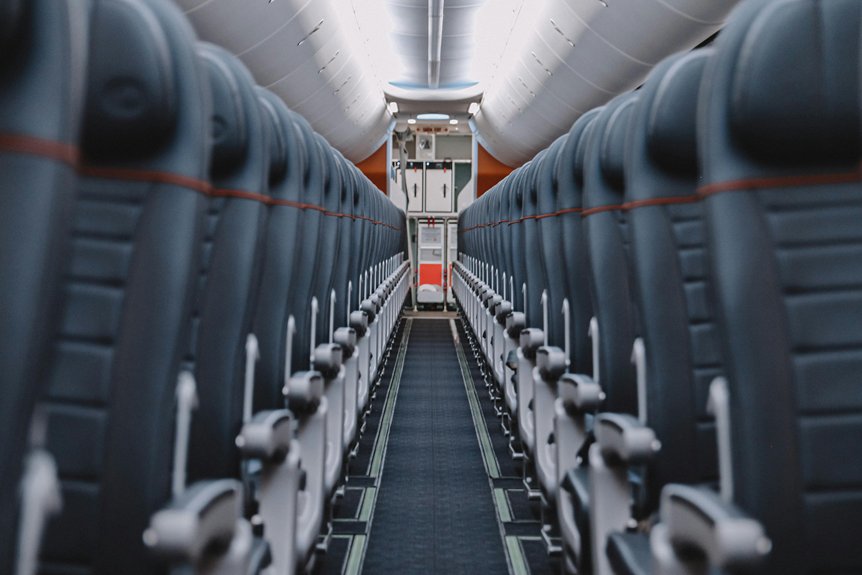
Once approved, skilled technicians begin the refurbishment, carefully replacing or refurbishing seats, panels, and lighting.
Throughout the process, safety compliance remains a priority, ensuring that all upgrades adhere to regulations.
Finally, a thorough inspection confirms everything functions correctly, and your aircraft interior reflects your desired luxury standards while maintaining safety.
These key steps ensure a seamless transformation tailored to your specifications.
What Repairs and Upgrades Are Included in a Full Restoration?
A full aircraft restoration encompasses extensive repairs and upgrades that revive both the appearance and functionality of your interior. You’ll see improvements in cabin materials, where worn or outdated fabrics, plastics, and finishes are replaced with high-quality, durable options.
Structural repairs are also a key part of the process, addressing any issues with the aircraft’s framework to ensure safety and integrity. This may involve fixing or reinforcing the fuselage, seats, or ceiling panels.
Additionally, you’ll get upgraded lighting systems, modernized galley appliances, and refreshed flooring. Every detail is carefully inspected and improved, so your aircraft not only looks brand new but also meets current safety standards and enhances passenger comfort.
Full restoration guarantees your aircraft’s interior is both visually stunning and structurally sound.
How Long Do Rehurbishments and Restorations Take?
The duration of aircraft interior refurbishments and restorations varies based on the scope of work, the size of the aircraft, and the extent of repairs needed. A typical project timeline can range from a few weeks for minor upgrades to several months for full restorations.
Your timeline depends on how thorough the work is and the availability of parts and materials. Accurate cost estimation also influences planning, as more extensive restorations usually take longer and require more resources.
Keep in mind that delays can occur due to unforeseen issues or supply chain disruptions. To stay on track, work closely with your team to develop a realistic schedule and budget, ensuring your project progresses smoothly and aligns with your goals.
Which Option Is Better for Your Type of Aircraft and Goals?
Choosing the right refurbishment option depends on your aircraft’s type and your specific goals.
If you aim to enhance comfort and modernize features, luxury upgrades are often best suited for partial refurbishment, allowing you to refresh interiors without overhauling the entire aircraft.
Conversely, if your objectives include extending the aircraft’s lifespan or markedly improving performance, a full restoration might be more appropriate.
Consider the importance of technical inspections, which are vital in both approaches to ensure safety and compliance. Full restorations typically involve extensive technical assessments, making sure every component meets current standards.
Ultimately, your decision should align with your long-term vision—whether prioritizing luxury and aesthetics or focusing on durability and operational integrity.
How to Decide Between Refurbishment and Restoration for Your Aircraft?
Deciding whether to opt for refurbishment or restoration hinges on your aircraft’s current condition, your operational goals, and your budget.
If your goal is to incorporate luxury upgrades while maintaining a fresh, modern look, refurbishment may be the best choice, especially if your aircraft is still structurally sound. It allows for targeted updates and easier maintenance scheduling.
However, if your interior shows significant wear or outdated features, a full restoration can return it to its original state or even improve upon it.
Consider the costs and downtime involved with each option. Your decision should align with your long-term vision for the aircraft, balancing the desire for luxury upgrades against practical maintenance needs and overall aircraft longevity.
Conclusion
Ultimately, choosing between interior refurbishment and full restoration depends on your aircraft’s condition, goals, and budget. Consider what improvements are necessary and how much you’re willing to invest. Refurbishments are quicker and more cost-effective for minor updates, while restorations offer a complete overhaul that can extend your aircraft’s lifespan and boost its value. Evaluate your needs carefully to make the best decision for your aircraft’s future and your flying experience. To learn more, contact DPI Labs by visiting us online at DPI Labs.