Comprehensive Aircraft Engineering Services for Private and Commercial Aircraft
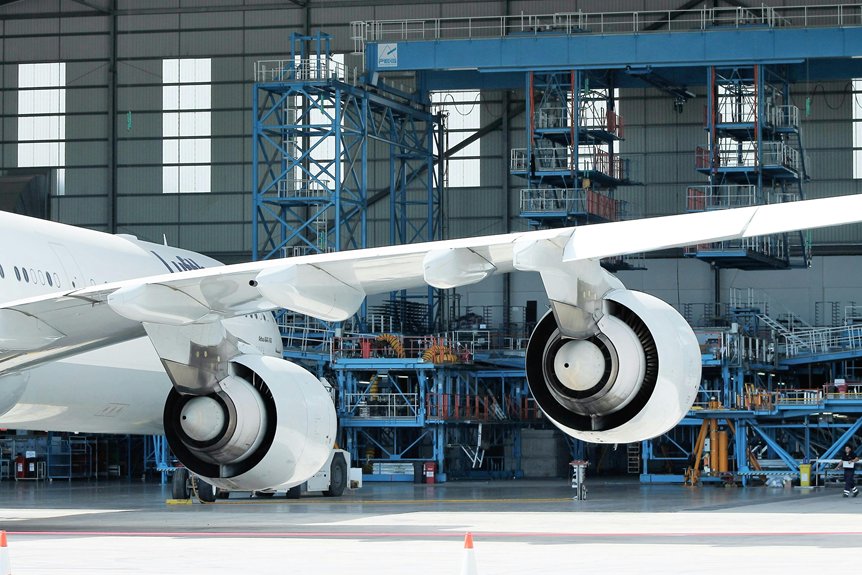
Thorough aircraft engineering services support both private and commercial aircraft by covering design, certification, maintenance, and structural repairs to guarantee safety and efficiency. These services optimize performance, upgrade avionics, and manage interior refurbishments to meet your needs. They also handle compliance with industry standards and troubleshooting to prevent faults. Choosing the right engineering partner helps you keep your aircraft in top condition and operationally ready—discover how to select the best one as you explore further.
What Aircraft Engineering Services Do You Need?
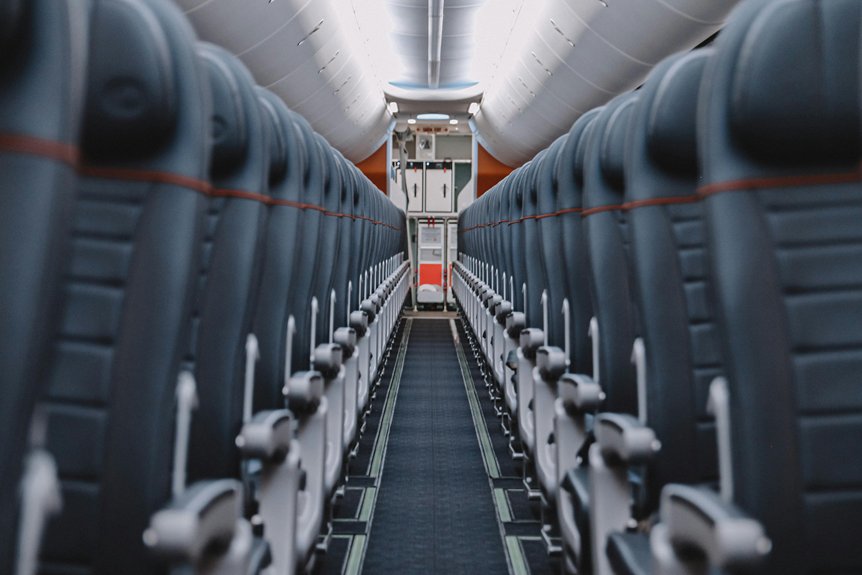
When it comes to aircraft maintenance and operation, understanding the specific engineering services you need is essential for guaranteeing safety and efficiency. If you’re focused on the aircraft interior, professional engineering services can help with cabin refurbishments, seating upgrades, and interior system repairs, enhancing passenger comfort and safety.
Pilot training is equally critical; specialized engineering support ensures training programs incorporate the latest aircraft systems, safety protocols, and operational procedures. These services help maintain ideal performance and compliance with regulations.
What Do Aircraft Engineering Services Cover?
Aircraft engineering services encompass a wide range of specialized tasks that keep airplanes operating safely and efficiently. These services include inspecting and maintaining the aircraft interior to ensure comfort and safety standards are met. They also involve advanced flight simulation to train pilots and troubleshoot potential issues before actual flights. Additionally, engineers work on integrating and maintaining sophisticated cabin management systems, ensuring seamless control of lighting, entertainment, and other onboard systems. You’ll find that engineers work on avionics, structural integrity, and propulsion systems, ensuring every component functions correctly. Additionally, they handle software updates and system diagnostics to prevent on-flight problems. From routine maintenance to complex repairs, these services aim to optimize performance and safety. Whether upgrading cabin interiors or testing new flight simulation technology, aircraft engineering professionals guarantee your aircraft remains reliable and compliant with industry standards.
Designing and Certifying Private and Commercial Aircraft
Designing and certifying private and commercial aircraft involves a complex process that guarantees safety, performance, and regulatory compliance. You start with aerodynamic optimization to ensure ideal flight efficiency and handling characteristics. This step minimizes drag, improves fuel economy, and enhances overall stability.
Simultaneously, you focus on cabin interior design, creating comfortable, functional spaces tailored to passenger needs and preferences.
Throughout the process, you work closely with certification authorities, providing detailed documentation and testing results to meet safety standards.
You also refine structural elements to withstand operational stresses.
Maintaining and Inspecting Your Aircraft Throughout Its Life
Regular maintenance and inspections are essential to guarantee your aircraft remains safe, reliable, and compliant throughout its operational life. Routine checks identify potential issues early, ensuring smooth performance.
Part of this process includes regular aircraft painting, which not only maintains aesthetic appeal but also protects the aircraft’s exterior from corrosion and environmental damage. Additionally, cabin refurbishment keeps your aircraft interior fresh, comfortable, and up-to-date, enhancing passenger experience.
These ongoing efforts help extend your aircraft’s lifespan and uphold its value. By staying proactive with inspections and maintenance, you prevent costly repairs and ensure continuous compliance with aviation standards.
Trust in extensive maintenance practices to keep your aircraft in top condition, ready for safe and efficient operations whenever you need it.
Structural Repairs and Material Upgrades for Safety and Longevity
To guarantee your aircraft remains safe and reliable over time, addressing structural repairs and material upgrades is vital. Regular inspections help identify corrosion early, enabling effective corrosion prevention strategies that extend the aircraft’s lifespan.
When structural issues arise, expert repairs restore integrity and ensure safety. Material testing plays an essential role in verifying that upgraded components meet strict standards for durability and performance. Upgrading materials can also improve resistance to environmental stresses, reducing the risk of fatigue or failure.
By proactively managing these aspects, you enhance your aircraft’s safety and longevity. Skilled technicians use advanced techniques to perform repairs and upgrades precisely, maintaining the structural health necessary for safe flight.
This exhaustive approach keeps your aircraft in peak condition for years to come.
Modernizing Avionics Systems and Adding New Technology
Modernizing your aircraft’s avionics systems is essential for enhancing safety, efficiency, and situational awareness. Upgrading to an advanced display provides clearer, real-time data, helping you make informed decisions quickly.
Incorporating the latest autopilot integration streamlines flight management, reducing pilot workload and improving accuracy. New technology allows for seamless communication between systems, offering better navigation, weather updates, and traffic alerts.
These upgrades not only improve overall aircraft performance but also guarantee you stay ahead with the most current features. You’ll benefit from enhanced reliability and reduced maintenance costs over time.
Whether for private or commercial use, modern avionics keep your aircraft competitive, safe, and ready for future advancements. Investing in these upgrades assures your fleet operates at peak efficiency and safety standards.
Ensuring Compliance With Industry Regulations and Standards
Upgrading avionics systems improves your aircraft’s capabilities, but staying compliant with industry regulations and standards is equally important to guarantee safety and legality.
Regulatory compliance guarantees your aircraft meets safety standards set by authorities like the FAA or EASA, reducing risks and avoiding penalties. You need to stay current with evolving regulations and implement necessary modifications or inspections.
Adhering to safety standards involves thorough documentation, regular audits, and quality checks. Working with experienced engineers helps you navigate complex compliance processes efficiently.
Improving Aircraft Performance and Fuel Efficiency
Enhancing aircraft performance and fuel efficiency requires implementing targeted modifications and adopting best operational practices. Aerodynamic optimization plays a vital role by reducing drag and improving airflow around the aircraft, which directly boosts efficiency. You can achieve this through wing design improvements, smooth surface finishes, and advanced fairings.
Additionally, focusing on engine efficiency helps maximize fuel use; upgrading engines or fine-tuning their settings guarantees ideal performance. Regular maintenance and performance monitoring allow you to identify areas where aerodynamic and engine enhancements can make a difference.
Troubleshooting and Diagnosing Aircraft Faults
After implementing aerodynamic and engine improvements to boost aircraft efficiency, it’s important to guarantee these systems operate correctly during each flight. When faults occur, you need to perform effective troubleshooting and diagnosing.
Start with avionics troubleshooting to identify issues in electronic systems, checking displays, sensors, and communication modules for errors or malfunctions. Simultaneously, conduct engine diagnostics to pinpoint mechanical or performance problems, examining sensors, fuel systems, and exhaust components.
Use specialized tools and onboard diagnostic software to gather data quickly. Accurate diagnosis helps you determine the root cause, preventing potential safety risks or costly repairs.
How to Choose the Right Aircraft Engineering Partner?
Choosing the right aircraft engineering partner can substantially impact your aircraft’s safety, performance, and maintenance costs. Look for a team experienced in aircraft leasing, guaranteeing they understand the nuances of managing leased aircraft efficiently.
A reliable partner should also offer extensive pilot training programs, helping your crew stay current with safety protocols and maintenance procedures.
Consider their certifications and reputation within the industry, as well as their ability to provide tailored solutions for your specific aircraft type and operational needs.
Good communication and transparency are vital; you want a partner who keeps you informed at every stage.
Conclusion
Choosing the right aircraft engineering partner guarantees your aircraft stays safe, efficient, and compliant throughout its lifespan. With expert design, maintenance, and repair services, you can trust your aircraft is in capable hands. Prioritize a team that understands industry standards and offers tailored solutions. This partnership will give you peace of mind, maximize performance, and extend your aircraft’s longevity, so you can focus on your journey with confidence. To learn more, contact DPI Labs by visiting us online at DPI Labs.