Ergonomic Seating Solutions for Aircraft Cabins
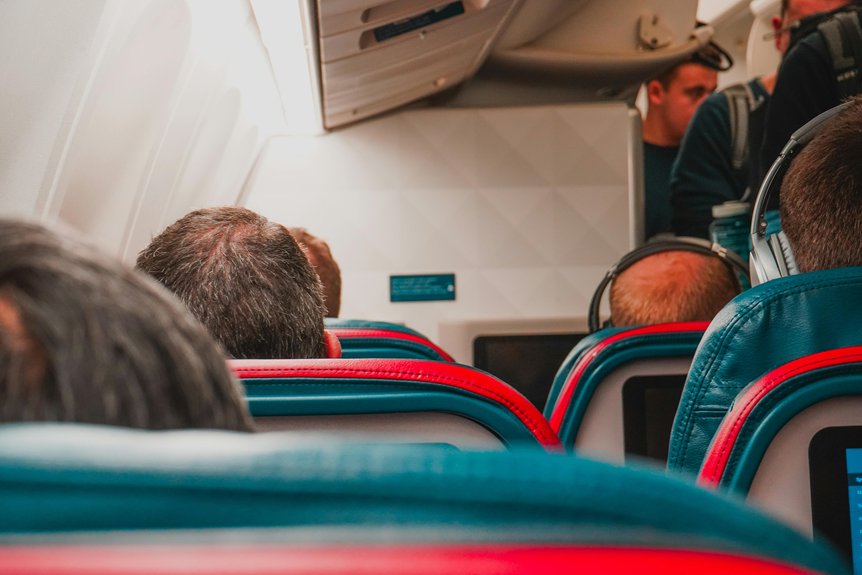
Ergonomic seating solutions in aircraft cabins prioritize your comfort and health during long flights. They feature adjustable lumbar support, memory foam padding, and customizable headrests to support your posture and reduce fatigue. Modern materials like memory foam and advanced designs make certain to provide better pressure relief and support, while smart features like tilt mechanisms and extendable armrests increase flexibility. Exploring these innovations can help you enjoy a more comfortable journey; learn more about the latest trends to upgrade your flying experience.
Why Is Ergonomic Seating Important for Air Travel?
Since you’ll be spending hours in the same position during a flight, ergonomic seating becomes essential for your comfort and health. Well-designed seats support your posture, reduce fatigue, and prevent discomfort, making your journey more pleasant. Additionally, advanced cabin management systems can optimize seat adjustments and in-flight environment controls to further enhance your comfort. When considering in-flight meal options, ergonomic seating allows you to sit comfortably and enjoy your meal without straining your neck or back. Additionally, airport lounge amenities often include ergonomic chairs and workspaces that help you relax or stay productive before your flight. Proper seating also minimizes the risk of circulation issues and muscle strain, ensuring you arrive at your destination feeling more refreshed. Ultimately, ergonomic seating enhances your overall flying experience by prioritizing your comfort, health, and convenience throughout the journey.
The Core Principles Behind Comfortable Aircraft Seats
The core principles behind comfortable aircraft seats focus on supporting your body efficiently while enhancing your overall travel experience. Proper cushion density is essential; it provides enough firmness to prevent sinking but remains soft enough to reduce pressure points. This balance keeps you comfortable during long flights.
Lumbar support is equally critical, ensuring your lower back maintains natural alignment, reducing fatigue and discomfort. An adjustable lumbar feature allows you to customize support based on your body shape, promoting better posture.
These principles work together to distribute your weight evenly, minimize strain, and prevent soreness. When seats incorporate ideal cushion density and effective lumbar support, you’ll feel less tired and more relaxed, making your flight much more comfortable and less stressful.
How Modern Materials Enhance Comfort and Support in Airplane Seats
Modern materials play an essential role in transforming airplane seats into more comfortable and supportive spaces. Memory foam, for example, conforms to your body shape, providing personalized comfort and reducing pressure points during long flights. It absorbs shock and offers enhanced support where you need it most.
Adjustable lumbar support is another key innovation, allowing you to customize the firmness of the lower back area, promoting proper posture and reducing fatigue. These advanced materials work together to create seats that adapt to your unique needs, offering superior comfort and support.
Features to Look for in Ergonomic Aircraft Seats for a Better Flight
To guarantee a more comfortable and supportive flight, look for ergonomic aircraft seats that feature adjustable components. Seek seats with memory foam padding, which contours to your body, providing personalized comfort and reducing pressure points.
Lumbar support is essential; it helps maintain proper spinal alignment and prevents back pain during long flights. Adjustable headrests and recline functions allow you to customize your seating position, enhancing relaxation.
Armrests that move and extend give added flexibility, while tilt mechanisms help distribute weight evenly. Prioritize seats with these features to optimize comfort, reduce fatigue, and arrive feeling refreshed.
The Future of Aircraft Seating: Trends in Technology and Design
Advancements in technology are shaping the future of aircraft seating, making long flights more comfortable and personalized. Expect seats with integrated in-flight entertainment systems that respond to touch or voice commands, giving you instant access to movies, music, and connectivity.
Cabin lighting will become smarter, adjusting in real-time to improve your mood and reduce jet lag. Future seats may feature adaptive ergonomics, automatically customizing support based on your posture and preferences.
Wireless charging pads and biometric sensors will enhance convenience and health monitoring. Design trends will focus on maximizing space without sacrificing comfort, blending aesthetics with functionality.
These innovations aim to create a more immersive, relaxing, and tailored flying experience, transforming how you perceive long-haul journeys.
Conclusion
Choosing ergonomic seating for your flights can make a world of difference. With the right design, materials, and features, you’ll enjoy increased comfort, better posture, and less fatigue. As technology advances, aircraft seats will only get smarter and more supportive. So, next time you book a flight, look for those ergonomic options—your body will thank you for the extra care and comfort on every journey. Travel comfortably and arrive refreshed! To learn more, contact DPI Labs by visiting us online at DPI Labs