Retrofitting Older Aircraft With LED Cabin Lighting Systems

Retrofitting your older aircraft with LED cabin lighting systems can modernize the interior, improve energy efficiency, and enhance passenger comfort through customizable brightness and colors. It offers benefits like lower maintenance costs, longer-lasting fixtures, and a more streamlined lighting setup. Before upgrading, you’ll need to verify compatibility, manage installation challenges, and make sure of compliance with aviation regulations. If you want to explore the detailed process and best practices, keep exploring this topic further.
Why Consider Retrofitting Older Aircraft With LED Lighting?
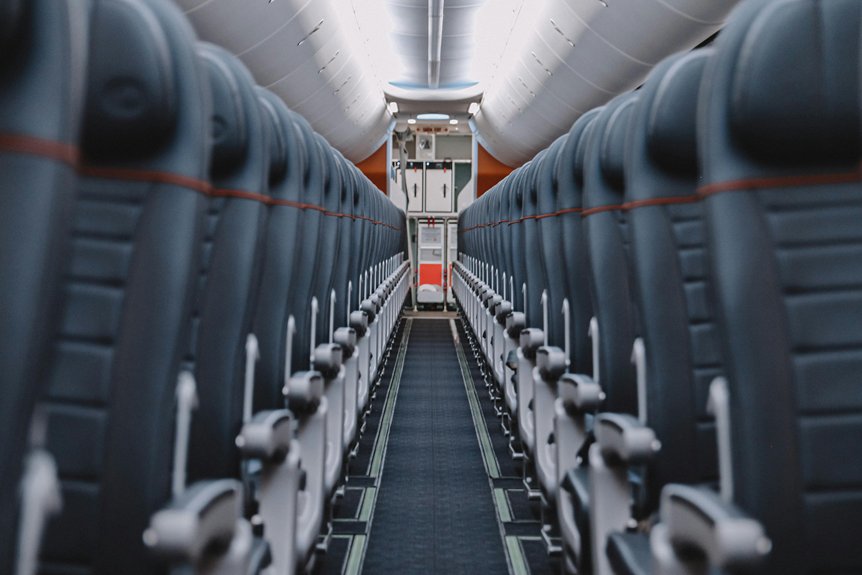
Retrofitting older aircraft with LED lighting offers several compelling advantages. Enhancing lighting aesthetics transforms the cabin environment, creating a modern, inviting atmosphere that appeals to passengers. LED lights provide a cleaner, more sophisticated look compared to traditional bulbs, elevating your aircraft’s overall appearance.
Additionally, passenger comfort is markedly improved with better lighting control, allowing you to adjust brightness and color temperature to suit different phases of flight. This customization helps reduce fatigue and enhances relaxation during long journeys. Moreover, DPI Labs’ wide range of LED luminaries are designed as drop-in, direct wire replacements, simplifying the upgrade process and ensuring compatibility with existing systems.
LEDs are also more energy-efficient, which can lower operating costs and reduce maintenance needs. Overall, upgrading to LED lighting not only boosts the visual appeal of your aircraft but also enhances passenger experience, making it a smart choice for modernizing your fleet.
What Are the Benefits of Installing LEDs in Your Aircraft?
Installing LEDs in your aircraft opens a range of benefits that enhance both operational efficiency and passenger experience. One key advantage is their energy efficiency, which reduces power consumption and lowers operating costs. LEDs generate less heat and use markedly less energy than traditional lighting, helping your aircraft run more sustainably.
Additionally, LED lighting improves passenger comfort by providing brighter, more uniform illumination and the ability to adjust colors and intensities to create a calming environment. This customization can help reduce fatigue and improve overall passenger satisfaction.
LEDs also have a longer lifespan, decreasing maintenance needs and minimizing downtime. By choosing LED upgrades, you streamline your aircraft’s lighting system, support eco-friendly operations, and elevate the overall flying experience for your passengers.
How to Check If Your Aircraft Supports LED Cabin Lighting?
Before upgrading your aircraft’s lighting system, confirming your current cabin setup supports LED technology is vital. First, check the aircraft’s certification documents to confirm if LED lighting modifications are approved by relevant authorities.
Review the aircraft’s maintenance records for any previous retrofits or upgrades related to lighting. Inspect the existing lighting fixtures to determine if they’re compatible with LED modules—look for compatibility labels or manufacturer specifications.
Consult with your aircraft manufacturer or certified maintenance provider to verify lighting compatibility and confirm that the current electrical system can support LED retrofit.
Properly evaluating aircraft certification and lighting compatibility ensures a smooth upgrade process, minimizes regulatory issues, and guarantees that your aircraft remains compliant with safety standards.
Key Challenges and Solutions in Upgrading Aircraft With LEDs
Upgrading aircraft with LED lighting presents several key challenges that you need to address to guarantee a successful shift. Power supply issues are common, as older aircraft may not support the higher voltage or current demands of modern LEDs. Ensuring compatibility or upgrading the electrical systems is essential.
Retrofit scheduling also poses difficulties; you must plan installations carefully to minimize passenger disruptions and aircraft downtime. Coordinating with maintenance teams and suppliers helps prevent delays and keeps the project on track.
Additionally, you might encounter space constraints and integration hurdles with existing systems. Addressing these challenges requires thorough planning, technical assessments, and flexible timelines.
Step-by-Step Guide to Retrofitting Aircraft With LED Lights
Retrofitting aircraft with LED lights involves a systematic process that guarantees a smooth shift from traditional lighting systems. You’ll start by evaluating the aircraft’s current wiring and space constraints, confirming compatibility with LED components.
Next, select LED fixtures that support wireless controls and offer color customization to enhance passenger experience. Carefully remove existing lighting fixtures, then install the new LED units, making sure wiring connections are secure.
Integrate wireless control systems to enable easy management of lighting settings, including color changes and brightness adjustments. Test each LED fixture thoroughly to confirm proper operation and control functionality.
Finally, document the retrofit process and train maintenance staff on system management. Following this step-by-step guide ensures a seamless upgrade that maximizes efficiency and passenger satisfaction.
Best Practices for Installing and Testing LED Cabin Lighting
Proper installation and thorough testing of LED cabin lighting are essential to guarantee peak performance and passenger comfort. Begin by guaranteeing all wiring is secure, correctly routed, and meets safety standards.
Use wireless controls during testing to verify seamless operation and smooth dimming functions. Check that color customization features work as intended, allowing adjustments to suit different cabin zones or passenger preferences.
Confirm that the lighting responds instantly to control inputs, with no flickering or delays. Conduct extensive tests across various lighting modes, including ambient and reading lights.
Document the results to identify and resolve any issues before final approval. Properly calibrated, tested LED systems ensure reliable operation, enhance passenger experience, and maximize the benefits of your retrofit investment.
What Does an Aircraft LED Retrofit Cost? Budgeting and ROI
Understanding the costs associated with an aircraft LED retrofit is essential for effective budgeting and maximizing return on investment. Pricing estimates vary depending on aircraft size, retrofit scope, and technology choices, but a thorough cost analysis helps you plan accurately.
Typically, retrofit costs include LED fixtures, installation labor, and potential upgrades to existing systems. While the initial investment might seem significant, consider the long-term savings from reduced energy consumption and lower maintenance expenses.
How to Ensure Your LED Retrofit Meets Aviation Regulations?
Ensuring your LED retrofit complies with aviation regulations is vital for a smooth certification process and ongoing safety. Start by thoroughly understanding the certification standards set by aviation authorities, such as the FAA or EASA. These standards specify the safety, durability, and electromagnetic compatibility requirements your lighting system must meet.
Work with manufacturers experienced in regulatory compliance to select LED components that are certified or have documented safety data. Conduct comprehensive testing and validation to verify that your retrofit aligns with all relevant regulations.
Document every step of the process to facilitate inspection and approval. Staying proactive about regulatory compliance not only streamlines certification but also ensures your retrofit maintains the highest safety standards for passengers and crew.
Emerging Trends in Aircraft LED Cabin Lighting and Innovations
As airline passenger expectations evolve, innovative LED cabin lighting solutions are transforming in-flight experiences with greater efficiency, customization, and energy savings. Smart lighting systems now enable airlines to tailor lighting scenes to match time zones, moods, or specific events, enhancing passenger comfort.
These advanced systems are also more energy-efficient, reducing power consumption and lowering operational costs. Emerging trends focus on integrating intelligent controls that respond to passenger needs in real-time, creating a more personalized experience.
Additionally, innovations in LED technology allow for dynamic color changes and improved durability, making retrofits more sustainable. By adopting these trends, you can elevate your aircraft’s interior, meet modern demands, and achieve significant energy savings, all while delivering a more engaging and comfortable flight environment.
Conclusion
Retrofitting your older aircraft with LED cabin lighting offers numerous benefits, from improved energy efficiency to enhanced passenger comfort. By understanding the process, costs, and regulations, you can make informed decisions that boost your aircraft’s value and performance. Embrace the latest innovations in LED technology to guarantee your retrofit is successful and future-proof. With proper planning and execution, you’ll enjoy long-term savings and a modernized cabin experience for all onboard. To learn more, contact DPI Labs by visiting us online at DPI Labs