Energy Efficiency Benefits of LED Aircraft Cabin Lighting
Switching to LED aircraft cabin lighting helps you save energy by using less power, which lowers operational costs and supports sustainability. LEDs are more durable, last much longer, and need less maintenance than traditional lights, reducing disruption and expenses. Their ability to adjust brightness and color enhances passenger comfort. By choosing LED lighting, you not only improve the cabin environment but also contribute to eco-friendly travel efforts. Explore more to discover how these benefits impact your airline’s efficiency and savings.
Why Airlines Are Switching to LED Cabin Lighting
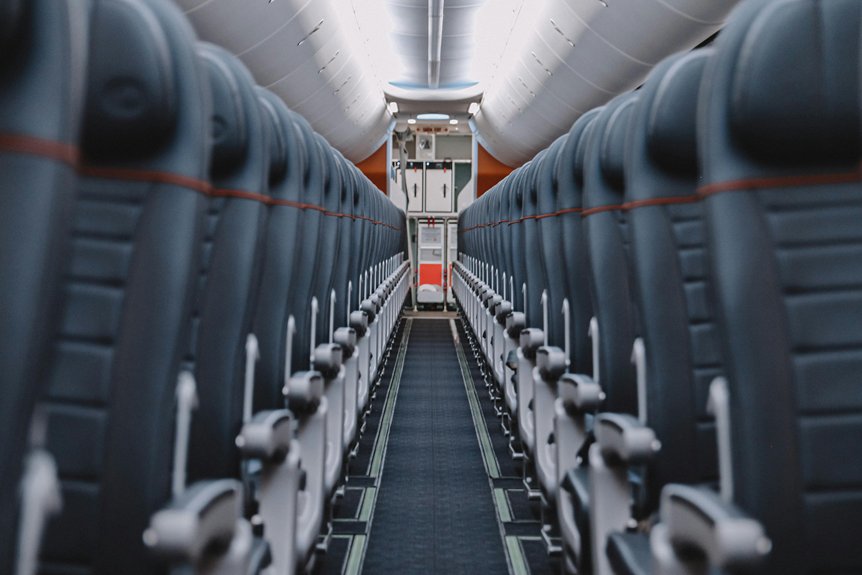
Many airlines are switching to LED cabin lighting because it offers significant energy savings and reduces operational costs. This shift impacts aircraft interior design by enabling more dynamic, adaptable lighting schemes that enhance the passenger experience. LED lighting allows you to customize illumination levels, colors, and intensities, creating a more inviting and calming environment. Improved lighting design directly boosts passenger comfort, helping travelers feel more relaxed and less fatigued during flights. Additionally, LEDs generate less heat and flicker less than traditional lighting, minimizing discomfort. By investing in LED technology, airlines can deliver a modern, aesthetically pleasing cabin while also making long-term savings. Moreover, DPI Labs offers advanced lighting solutions that are designed as drop-in replacements, ensuring seamless integration into existing aircraft systems. Ultimately, this change benefits both airlines and passengers through better comfort and smarter energy management.
How LED Lighting Reduces Power Consumption in Aircraft Cabins
LED lighting markedly reduces power consumption in aircraft cabins by using energy more efficiently than traditional incandescent or fluorescent lights. This efficiency stems from LED’s ability to produce bright ambient lighting while consuming less energy. With advanced power management, LEDs adjust brightness levels based on passenger needs, further saving energy.
Unlike conventional lights, LEDs turn on instantly and can be dimmed without flickering, optimizing power use during different flight phases. Their directional light output minimizes wasted illumination, reducing overall energy consumption.
Additionally, the long lifespan of LEDs means fewer replacements and less maintenance, decreasing operational costs. Overall, by integrating LED lighting with smart power management systems, airlines can markedly cut energy use, lower costs, and enhance passenger comfort with customizable ambient lighting options.
What Makes LED Systems More Durable and Cost-Effective Than Traditional Lighting
Because LED systems are built with solid-state technology, they’re inherently more durable than traditional incandescent or fluorescent lights, which rely on fragile filaments or gases. This material durability means LEDs are less prone to breakage from vibrations or shocks common during flights.
Their sturdy construction reduces the likelihood of failure, leading to lower maintenance costs over time. Unlike traditional lighting that needs frequent bulb replacements, LEDs have longer lifespans, often lasting tens of thousands of hours.
This longevity not only cuts down on replacement expenses but also minimizes operational disruptions. Overall, their durability and reduced maintenance requirements make LED aircraft cabin lighting a more cost-effective choice, delivering both savings and reliability for airlines seeking efficient lighting solutions.
How LED Lighting Supports Airline Sustainability Goals
Implementing LED lighting in aircraft cabins directly supports airlines’ sustainability goals by considerably reducing energy consumption. These eco-friendly designs lower the aircraft’s overall power load, helping airlines meet environmental targets and reduce carbon emissions.
LED lights consume markedly less energy than traditional lighting, which translates into less fuel used and a smaller carbon footprint. Additionally, LED systems enhance passenger comfort with customizable lighting options that improve mood and reduce fatigue, aligning with passenger-centric sustainability initiatives.
Their long lifespan also decreases waste and the need for frequent replacements, further supporting eco-conscious practices. By choosing LED lighting, you not only promote a greener operation but also demonstrate a commitment to sustainable travel, appealing to environmentally aware passengers and stakeholders alike.
What Are the Cost Savings and ROI of Installing LED Cabin Lights?
While the initial investment in LED cabin lighting may seem substantial, the long-term cost savings quickly justify the expense. LED lights consume less energy, reducing your airline’s operational costs considerably over time. They also lower maintenance costs because LEDs last longer and require fewer replacements, minimizing downtime and labor expenses.
Improved passenger experience is another key benefit; better lighting can enhance comfort and mood, leading to higher satisfaction and loyalty. The quicker return on investment (ROI) comes from these combined savings—less energy use, fewer maintenance tasks, and happier passengers.
Over the lifespan of LED cabin lights, your airline can see substantial financial benefits, making the switch a smart economic decision that aligns with sustainability and customer service goals.
How Does LED Technology Help Extend Equipment Lifespan?
LED technology inherently extends equipment lifespan by utilizing solid-state components that are more durable and resistant to wear than traditional lighting sources. Because LEDs lack fragile filaments, they’re less prone to failure from vibration or impact, which is common in aircraft environments.
Effective thermal management plays a vital role by dissipating heat efficiently, preventing overheating that can degrade components and shorten lifespan. Some advanced LED systems incorporate fiber optic technology to distribute light evenly and reduce heat buildup further.
This combination of durable solid-state design, superior thermal management, and fiber optic solutions minimizes stress on components, reducing maintenance needs and increasing reliability. As a result, LEDs last considerably longer, providing consistent performance and lowering overall replacement costs for aircraft lighting systems.
What Are the Future Trends in LED Technology for Aircraft Energy Efficiency?
Advances in LED technology continue to push the boundaries of energy efficiency in aircraft lighting systems. Future trends focus on smart integration, allowing lighting systems to adapt dynamically based on passenger needs and ambient conditions.
You’ll see more intelligent controls that optimize energy use while enhancing comfort. Human-centric design will remain a key driver, ensuring lighting adjusts to support passenger well-being and reduce fatigue.
Innovations like customizable color schemes and tunable lighting will become standard, creating a more personalized experience. Additionally, integration with in-flight systems will enable seamless control and monitoring, further reducing energy waste.
As technology evolves, expect LEDs to become even more efficient, leveraging smarter algorithms and materials to deliver sustainable, energy-conscious cabin lighting solutions that prioritize passenger comfort and operational savings.
Conclusion
Switching to LED cabin lighting enhances your airline’s energy efficiency, reduces operational costs, and aligns with sustainability initiatives. Thanks to their durability and lower maintenance requirements, LEDs extend equipment lifespan and provide a quick return on investment. As LED technology continues to evolve, you’ll benefit from innovative solutions that improve passenger comfort while minimizing environmental impact. Embracing LED lighting is not only a smart choice but also essential for future-proofing your airline’s operations and maintaining a competitive edge in the aviation industry. To learn more, contact DPI Labs by visiting us online at DPI Labs