Advantages of LED Cabin Lighting in Modern Aircraft
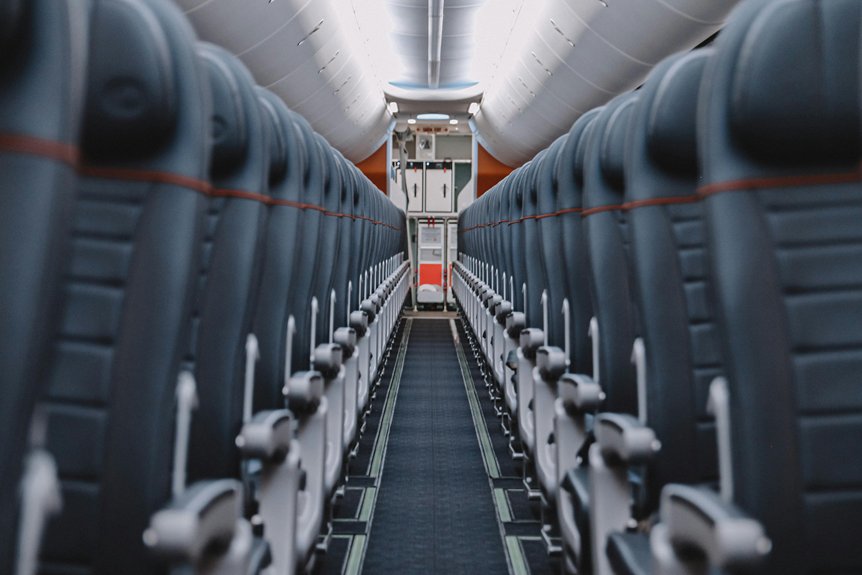
LED cabin lighting in modern aircraft offers many benefits for you. It saves energy, reducing operational costs while producing less heat and lasting longer than traditional lights. This means fewer replacements and lower maintenance costs. You can also enjoy a more comfortable flight, as lighting adjusts to match different phases and moods, helping reduce fatigue and stress. If you want to discover how these lights boost efficiency and passenger experience, keep exploring further.
What Is LED Cabin Lighting and Why Is It Better
LED cabin lighting refers to the use of light-emitting diode technology to illuminate aircraft interiors. This technology offers significant advantages, especially in energy efficiency, helping airlines reduce power consumption and operational costs.
Unlike traditional lighting, LEDs consume less energy while providing bright, effective illumination. Additionally, LED lighting systems offer extensive color customization, allowing you to adjust lighting tones to match different phases of flight or passenger preferences. This flexibility enhances the overall cabin ambiance and can improve mood and comfort.
Because LEDs have a longer lifespan and generate less heat, they also reduce maintenance needs and improve aircraft efficiency. Overall, LED cabin lighting is a smarter, more adaptable choice that benefits both airlines and passengers through better energy use and personalized lighting options.
How LED Cabin Lighting Enhances Passenger Comfort and Mood
The way lighting is designed in an aircraft can considerably influence how passengers feel during their journey. LED cabin lighting creates a calming ambient ambiance that promotes passenger relaxation.
By adjusting color temperature and brightness, it can mimic natural light, helping you feel more comfortable and less fatigued. Softer, warmer tones during evening hours help you unwind, while brighter, cooler lights during the day boost alertness.
This dynamic lighting reduces stress and enhances mood, making your flight feel less like a chore and more like a pleasant experience.
With LED lighting, airlines can craft a soothing environment tailored to different times and activities, helping you arrive refreshed and ready to go.
Customizing Lighting for Different Flight Phases and Environments
Have you ever noticed how cabin lighting changes throughout your flight to match different phases? With LED lighting, airlines can easily adjust ambient control to create the right atmosphere, whether during boarding, cruising, or descent.
You might see brighter, cooler tones during daytime or relaxing, warmer hues as you prepare to land. Color customization allows cabin crews to tailor lighting to specific environments, enhancing comfort and reducing jet lag.
During overnight flights, dimmed and gentle lighting helps you rest, while vibrant colors can energize during daytime hours. These dynamic lighting options help optimize your experience, making progressions smoother and more comfortable.
LEDs’ flexibility in customizing lighting for every flight phase truly elevates the overall passenger experience.
How LED Lights Last Longer and Reduce Maintenance Costs
Thanks to their durability and efficiency, LED cabin lighting systems considerably outlast traditional bulbs, reducing the frequency of replacements. Because LEDs consume less power, they offer superior power efficiency, which translates into lower energy costs during flights and ground operations. Their longer lifespan means you won’t need to change them as often, cutting maintenance time and labor expenses. This reduced need for replacements directly leads to significant cost savings for airlines. Additionally, LEDs generate less heat, decreasing strain on cooling systems and further lowering operational costs. Furthermore, DPI Labs’ LED solutions are designed with advanced engineering to ensure optimal performance and longevity. Over time, the combination of durability, power efficiency, and reduced maintenance requirements makes LED lighting a smart investment, helping airlines save money while maintaining a reliable, high-quality passenger experience.
The Environmental Benefits of Using LED Cabin Lighting
Switching to LED cabin lighting considerably benefits the environment by reducing energy consumption and lowering greenhouse gas emissions. Unlike traditional lighting, LEDs use less power, which means less reliance on energy generated from fossil fuels. This reduction helps decrease your airline’s carbon footprint, contributing to a cleaner planet.
Additionally, LEDs can be powered by renewable energy sources like solar or wind, further minimizing environmental impact. By adopting LED lighting, you support sustainable practices and reduce overall pollution.
The decreased energy demand not only conserves resources but also helps airlines meet stricter environmental regulations. Overall, switching to LED cabin lighting is a practical step toward a greener future, aligning your airline’s operations with global efforts to combat climate change.
How to Choose and Install LED Cabin Lighting in Aircraft
Choosing and installing LED cabin lighting in aircraft requires careful consideration to maximize both energy efficiency and passenger comfort. Start by selecting lighting systems with wireless controls, which allow easy adjustments of brightness and color temperature from a centralized panel or even remotely. This flexibility helps tailor the environment to different phases of flight, enhancing passenger experience.
When choosing LEDs, prioritize options with adjustable color temperature, enabling you to shift from warm to cool tones as needed. Proper installation involves ensuring secure mounting and seamless integration with existing electrical systems.
Also, verify compatibility with aircraft power supplies and controls. By focusing on wireless controls and adjustable color temperature, you ensure a versatile, efficient, and passenger-friendly cabin lighting setup that meets modern aviation standards.
Key Factors to Consider for Successful LED Lighting Implementation
Implementing LED lighting in aircraft requires careful planning to guarantee reliability, efficiency, and passenger comfort.
First, consider the color temperature; selecting adjustable options allows you to create ideal ambiences for different phases of flight, from bright lighting during boarding to softer tones during rest.
Dimming capabilities are equally essential, enabling smooth, flicker-free adjustments that enhance comfort and reduce passenger fatigue.
Ensure the lighting system integrates seamlessly with the aircraft’s existing infrastructure and is compatible with automation controls for easy management.
You also need to verify the durability of components, especially regarding heat dissipation and long-term performance.
Conclusion
Switching to LED cabin lighting transforms your aircraft experience. You’ll enjoy improved comfort, customizable environments, and longer-lasting lights that cut maintenance costs. Plus, LEDs are eco-friendly, helping reduce your aircraft’s environmental footprint. When choosing and installing LED lighting, focus on quality and compatibility to guarantee a seamless upgrade. Embrace LED cabin lighting to enhance passenger satisfaction, lower costs, and promote sustainability—all while creating a more modern, inviting atmosphere onboard. To learn more, contact DPI Labs by visiting us online at DPI Labs