How Aircraft Engineering Services Improve Safety and Longevity
Aircraft engineering services improve safety and longevity by ensuring aircraft meet strict certification standards, using advanced materials, and designing stronger structures. Regular maintenance and real-time monitoring help detect issues early, preventing failures. Innovations like predictive maintenance and automation reduce risks and extend lifespan. Upgrading systems and adopting new technologies keep aircraft reliable and efficient longer. To discover how these engineering practices work together for safer, longer flights, continue exploring the key strategies behind aircraft longevity.
How Aircraft Engineering Ensures Safety and Extends Aircraft Lifespan
Aircraft engineering plays a crucial role in maintaining safety and prolonging the life of aircraft. One key aspect is ensuring proper aircraft certification, which confirms that aircraft meet strict safety standards before entering service. This process involves thorough inspections and compliance checks, reducing the risk of failures during operation.
Additionally, pilot training is integral; well-trained pilots understand how to handle complex systems and respond to emergencies, further safeguarding flight safety. Engineering teams also develop maintenance protocols based on engineering principles, ensuring aircraft components operate efficiently and wear is minimized.
How Regular Maintenance Checks Detect and Prevent Risks
Regular maintenance checks are essential for identifying potential issues before they escalate into serious risks. Through thorough inspections, you can spot signs of wear, corrosion, or mechanical faults early. Implementing advanced cabin management systems can further enhance monitoring capabilities during these checks. Risk assessment plays a vital role in these checks, helping you prioritize areas that need immediate attention. Adhering to strict inspection protocols ensures no detail is overlooked, reducing the chance of unexpected failures during flight. Regular assessments also enable you to verify that safety systems are functioning correctly and that components meet safety standards. By catching problems early, you prevent costly repairs and improve overall aircraft safety. Ultimately, diligent maintenance and precise risk assessment keep your aircraft reliable, extending its lifespan and ensuring passenger safety at all times.
The Role of Advanced Materials in Making Aircraft More Durable
Advances in materials science have revolutionized aircraft durability by enabling the use of stronger, lighter, and more resilient components. Composite materials, such as carbon fiber-reinforced plastics, remarkably reduce weight while increasing strength, leading to improved fuel efficiency and endurance.
These materials also resist corrosion and fatigue better than traditional alloys, extending aircraft lifespan. Nanotechnology enhancements further boost durability by strengthening surfaces at the molecular level, improving resistance to wear and tear.
You benefit from these innovations through safer, longer-lasting aircraft that require less maintenance and downtime. By integrating advanced materials, aircraft engineering services guarantee structures can withstand extreme conditions, reducing the risk of failure.
Ultimately, these developments help you enjoy safer flights and more reliable aircraft operation over extended periods.
How Structural Design Improvements Boost Aircraft Safety
Structural design improvements play a crucial role in enhancing aircraft safety by optimizing how forces are distributed and absorbed during flight. Aerodynamic optimization reduces drag and improves airflow, decreasing stress on key structural components. This results in a more resilient aircraft that can better withstand turbulent conditions.
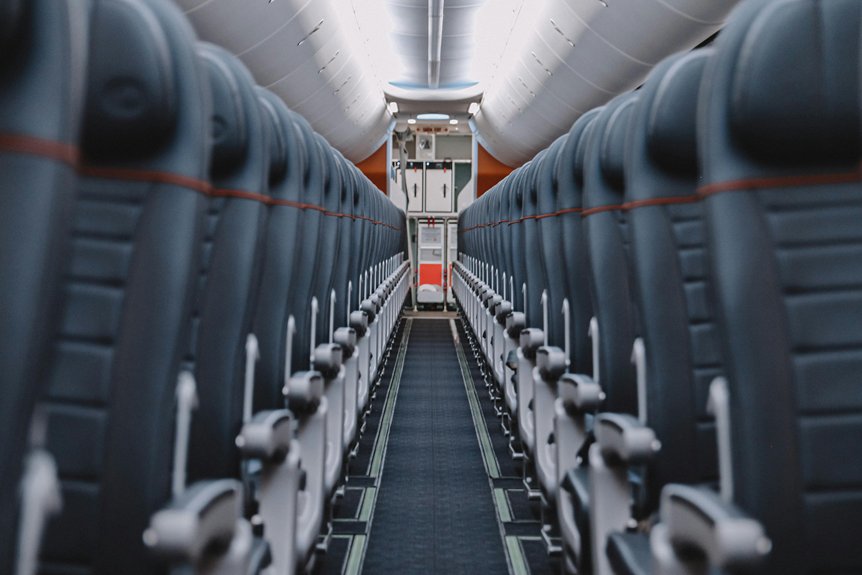
Additionally, thoughtful design of the cabin interior ensures passenger safety and comfort, with reinforced seating and emergency exits positioned for quick evacuation.
Modern structural enhancements also include stronger joints and lightweight materials, which boost overall durability without adding weight. These innovations work together to prevent structural failures, improve crashworthiness, and extend aircraft longevity.
Using Predictive Maintenance to Avoid Aircraft Failures
Building on the improvements in structural design, implementing predictive maintenance allows you to identify potential issues before they lead to failures. By leveraging sensor diagnostics, you can continuously monitor critical components in real-time, detecting signs of wear or malfunction early.
This proactive approach enables you to adjust maintenance scheduling based on actual condition data rather than relying on fixed intervals, reducing unnecessary inspections and downtime. Sensor diagnostics provide precise insights, helping you pinpoint problems before they escalate into costly repairs or safety risks.
With this strategy, you can plan maintenance more efficiently, minimizing disruptions and extending aircraft longevity. Ultimately, predictive maintenance empowers you to maintain high safety standards while optimizing operational efficiency.
How Engineering Services Help Aircraft Last Longer and Save Costs
Engineering services play a crucial role in extending aircraft lifespan and reducing overall costs by guaranteeing peak performance and reliability. They facilitate thorough aircraft certification processes, confirming that aircraft meet safety and durability standards, which helps prevent costly repairs and early replacements.
Regular inspections and maintenance guided by expert engineering support catch issues before they escalate, saving you money over time. Additionally, extensive pilot training ensures operators handle aircraft properly, minimizing wear and tear.
Properly maintained aircraft stay in service longer, delaying expensive upgrades or replacements. By focusing on certification compliance and skilled pilot training, engineering services help optimize aircraft longevity, improve operational efficiency, and markedly reduce overall maintenance and downtime costs.
Why Upgrading and Retrofitting Are Key to Aircraft Longevity
Upgrading and retrofitting are indispensable strategies for extending an aircraft’s operational life and maintaining competitiveness. These processes incorporate material innovation, allowing you to replace outdated components with advanced, durable materials that resist wear and corrosion.
Retrofit strategies enable you to modernize systems, improve fuel efficiency, and enhance performance without the need for complete replacement. By choosing targeted upgrades, you can address specific issues and adapt to evolving regulations, ensuring your aircraft remains reliable and safe.
Retrofitting also helps you optimize maintenance schedules and reduce long-term costs. Overall, these upgrades are crucial for prolonging aircraft lifespan, maximizing investment, and staying ahead in a competitive industry.
They ensure your aircraft remains efficient, compliant, and capable of meeting future demands.
Ensuring Compliance With Safety Standards Through Engineering Solutions
To guarantee your aircraft meets all safety standards, implementing targeted engineering solutions is vital. You need to stay aligned with aviation regulations, which continuously evolve to enhance safety. Engineering services help you incorporate design improvements and updates that ensure compliance.
Regular safety audits are essential—they identify potential issues before they become hazards. These audits assess structural integrity, systems performance, and operational procedures, guiding necessary modifications.
By integrating engineering solutions that address regulatory requirements, you reduce risks and boost safety. Consistent compliance not only protects passengers and crew but also minimizes legal and financial consequences.
Ultimately, proactive engineering efforts ensure your aircraft operates reliably within the latest safety standards, safeguarding longevity and maximizing operational efficiency.
What’s Next: Future Trends in Aircraft Engineering for Safer, Longer Flights
As technology continues to advance rapidly, the future of aircraft engineering promises safer and longer flights by integrating innovative materials, systems, and design approaches. Aircraft innovation is driving the development of lighter, stronger materials that improve durability and fuel efficiency, directly supporting flight sustainability.
Expect increased use of composite materials and advanced alloys that reduce weight without sacrificing safety. Automated systems and artificial intelligence will enhance aircraft monitoring, predictive maintenance, and real-time decision-making, reducing risks and downtime.
Aerodynamic designs will become more efficient, cutting fuel consumption and emissions. These trends aim to extend aircraft lifespan, improve safety margins, and make longer flights more sustainable.
Staying ahead in these innovations guarantees you benefit from safer, more reliable air travel in the future.
Conclusion
By prioritizing regular maintenance, adopting advanced materials, and embracing innovative design, you can markedly boost aircraft safety and extend its lifespan. Staying ahead with predictive maintenance and timely upgrades not only prevents costly failures but also ensures compliance with safety standards. As technology evolves, your commitment to these engineering practices will keep flights safer and aircrafts flying longer, saving costs and enhancing passenger confidence. To learn more, contact DPI Labs by visiting us online at DPI Labs. Embrace these innovations to secure a safer, more durable future in aviation.