Custom Aircraft Modifications for Performance and Comfort

Custom aircraft modifications let you tailor your plane to boost both performance and comfort. You can upgrade engines and propellers for better speed and fuel efficiency, while interior enhancements like luxurious materials and ergonomic seating improve passenger experience. Aerodynamic tweaks and advanced avionics can make your aircraft faster, safer, and more efficient. By balancing cost and regulations, you guarantee your upgrades are practical and compliant. Keep exploring to discover how you can customize your aircraft to meet your unique flying needs.
Why Custom Aircraft Modifications Matter: Benefits You Should Know
Custom aircraft modifications can substantially enhance your flying experience by tailoring the aircraft to meet your specific needs. One major benefit is the addition of luxury amenities, ensuring comfort and convenience during your journey. Whether it’s upgraded seating, personalized entertainment systems, or premium refreshments, these features make flying more enjoyable.
Additionally, aesthetic enhancements like custom interior design, high-end finishes, and unique color schemes give your aircraft a distinctive look that reflects your style. These modifications don’t just boost comfort—they also increase the aircraft’s overall value and appeal. Incorporating advanced cabinet management systems can further streamline cabin controls and improve overall operational efficiency.
How to Upgrade Your Aircraft’s Engine and Propulsion for Better Performance
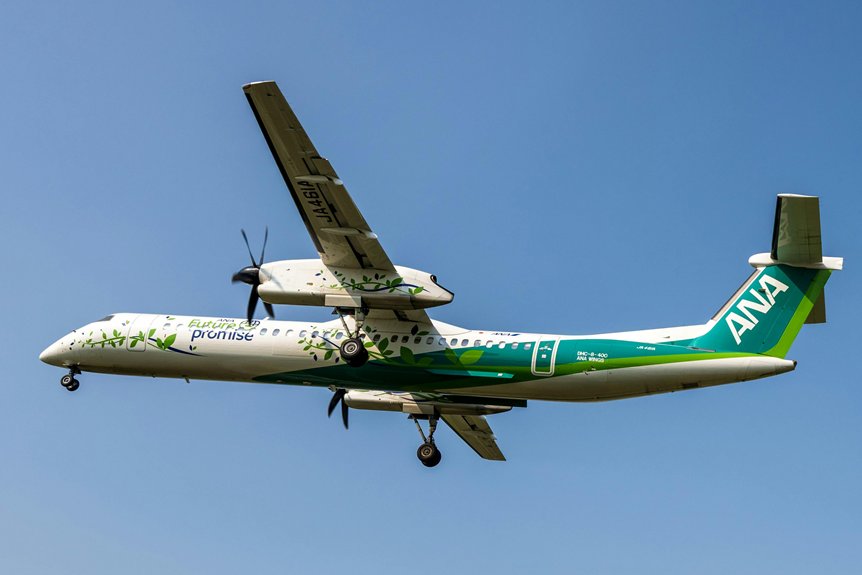
Upgrading your aircraft’s engine and propulsion system can markedly boost performance, allowing for higher speeds, greater fuel efficiency, and improved climb capabilities. Start by selecting modern, lightweight engines that optimize fuel use and incorporate fuel-efficient technologies.
Consider installing noise reduction features like sound-dampening covers or advanced mufflers to minimize engine noise, making flights more comfortable and less disruptive.
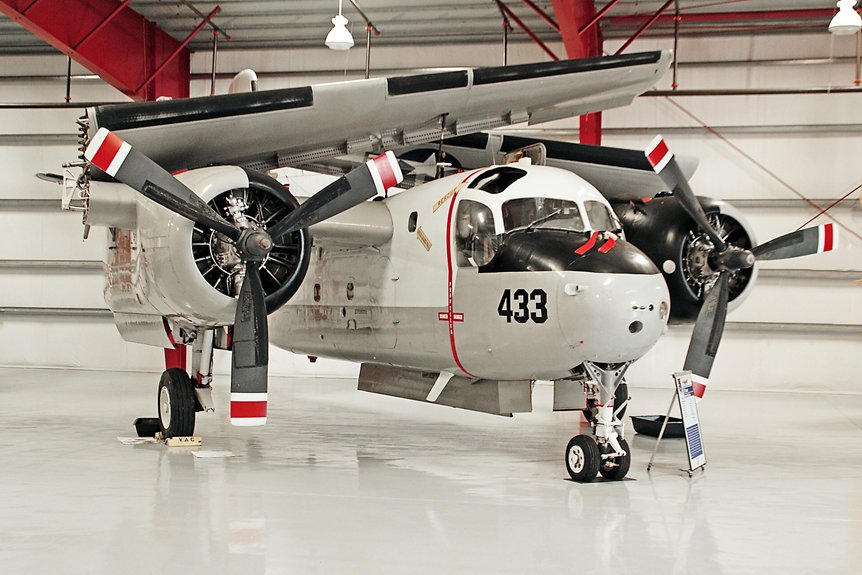
Upgrading to a more efficient propeller can also enhance thrust and reduce fuel consumption. Regular maintenance and tuning ensure your engine runs at peak performance, further improving fuel efficiency.
These upgrades not only increase your aircraft’s overall performance but also help reduce operational costs and noise impact, making your flights smoother, quieter, and more economical.
Enhancing Cabin Comfort With Interior Customizations
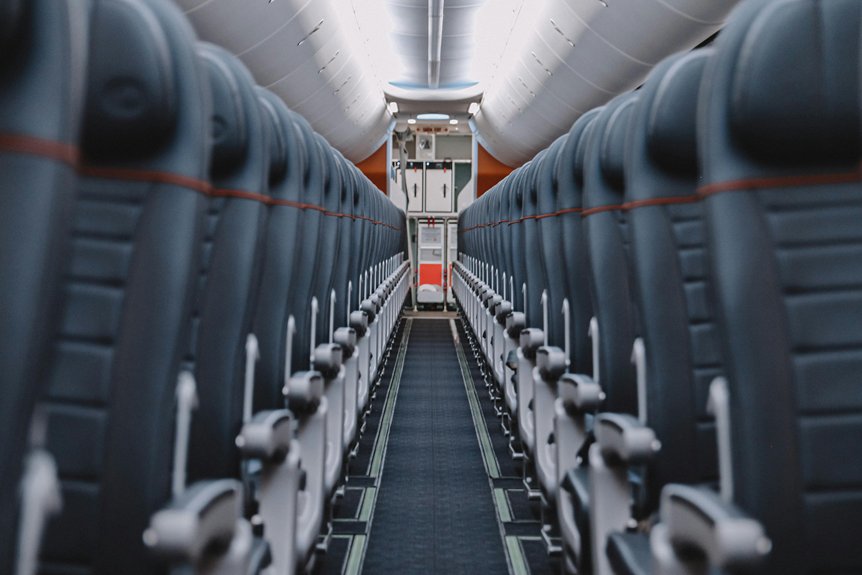
To make your aircraft more comfortable, focus on interior customizations that enhance the cabin environment and passenger experience. Using luxury materials like fine leather, polished wood, and plush carpeting elevates the sense of sophistication and comfort.
Incorporate ambient lighting to create a relaxing atmosphere, adjustable to suit different moods or times of day. Thoughtful lighting design reduces eye strain and enhances the overall aesthetic.
Custom seats with ergonomic support and personalized climate controls further improve comfort during long flights. These upgrades not only make your aircraft feel more luxurious but also ensure passengers arrive refreshed.
Speed up and Save Fuel With Aerodynamic and Structural Upgrades
Enhancing your aircraft’s aerodynamic efficiency and structural design can considerably increase speed while reducing fuel consumption. One effective way is optimizing wing design; streamlined wings with smooth surfaces and appropriate tapering cut drag and improve lift-to-drag ratios.
Additionally, updating paint schemes plays a role—slick, reflective finishes reduce air resistance, boosting performance and fuel savings. Structural upgrades, like reinforcing critical components, improve overall durability and efficiency at higher speeds.
These modifications not only cut fuel costs but also enable faster travel times. By focusing on aerodynamic improvements and thoughtful paint choices, you guarantee your aircraft performs better, consumes less fuel, and maintains a sleek, efficient profile.
Small changes in design can lead to significant gains in speed and efficiency.
Choosing the Best Avionics and Tech Upgrades for Your Aircraft
As you focus on aerodynamic and structural improvements to boost your aircraft’s performance, updating your avionics and onboard technology can further optimize its capabilities. Choosing the best avionics and tech enhancements involves evaluating your flying needs, whether for navigation, safety, or efficiency.
Avionics integration ensures all systems work seamlessly, reducing pilot workload and enhancing situational awareness. Consider tech upgrade options like advanced GPS, synthetic vision displays, weather radar, and autopilot systems. These enhancements can improve safety, streamline operations, and provide better data access.
Prioritize upgrades that align with your flying habits and mission profile, and ensure compatibility with existing systems. Investing wisely in avionics and technology upgrades delivers a smoother, safer, and more enjoyable flying experience.
Balancing Cost, Regulations, and Practicality in Custom Aircraft Projects
Balancing cost, regulations, and practicality is vital when undertaking a custom aircraft project, as each factor directly impacts your timeline, budget, and safety compliance. Conducting a thorough cost analysis helps you understand expenses, prioritize modifications, and stay within budget.
It’s essential to factor in regulatory compliance early in the planning process to avoid costly setbacks or delays. Regulations dictate what modifications are permissible and ensure safety standards are met, so you must stay informed and work closely with authorities.
Practicality guides you to choose modifications that are feasible and sustainable, considering your aircraft’s usage and your skill level. By carefully evaluating these elements, you’ll create a balanced approach that maximizes performance and comfort without compromising safety or overspending.
Conclusion
Custom aircraft modifications can significantly enhance your aircraft’s performance, comfort, and efficiency. By upgrading engines, improving aerodynamics, and personalizing interiors, you can create a flying experience tailored specifically to your needs. Just remember to balance costs, regulations, and practicality to ensure your upgrades are safe and sustainable. For more information and expert guidance on aircraft modifications, contact DPI Labs by visiting us online at DPI Labs. With the right choices, you’ll enjoy a more enjoyable, efficient, and comfortable flight every time you take to the skies.