What Is an Aircraft Cabin Management System and How Does It Work
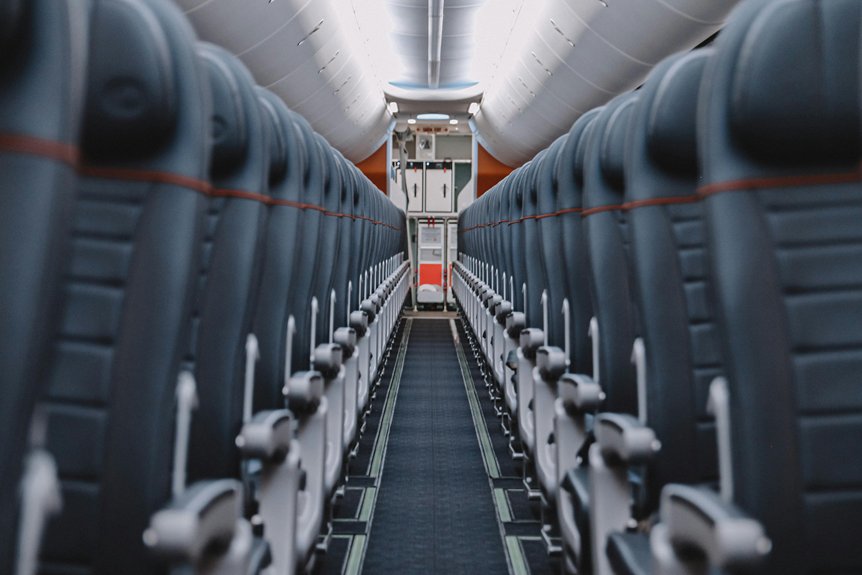
An aircraft cabin management system lets you easily control lighting, climate, entertainment, and communication through a centralized interface. It uses touchscreens, control panels, and onboard servers to adjust settings automatically or manually, creating a customized, comfortable environment. By integrating with aircraft avionics, it guarantees seamless operation and real-time responses. If you’d like to explore how these systems enhance your flying experience and what makes them work so effectively, continue exploring this topic.
What Is an Aircraft Cabin Management System and Why Is It Important?
Have you ever wondered how luxury aircraft maintain seamless service and passenger comfort? An aircraft cabin management system is the key. It’s a sophisticated technology that integrates controls for luxury amenities, such as lighting, climate, entertainment, and communication.
These systems use intuitive user interfaces, allowing passengers and crew to easily customize their environment. By centralizing controls, they guarantee quick adjustments, creating a smooth, personalized experience.
This seamless operation enhances comfort, reduces the need for manual intervention, and improves overall efficiency. In essence, the aircraft cabin management system elevates flying from mere transportation to a luxurious, tailored experience.
It’s an essential component that guarantees comfort, convenience, and a touch of sophistication at every stage of your flight. Advanced integration systems ensure reliable and customizable control over all onboard functions.
How Do Cabin Management Systems Control Lighting, Climate, and Entertainment?
Cabin management systems use advanced controls to seamlessly adjust lighting, climate, and entertainment settings, ensuring a personalized experience for every passenger. Lighting control allows you to set the ambiance with dimming options and color changes, creating a comfortable environment.
Climate control systems monitor and adjust temperature and airflow, so the cabin remains pleasant throughout your flight. Entertainment systems offer easy access to movies, music, and other media, all at your fingertips.
These systems are integrated to respond instantly to your preferences, whether you want a brighter reading light, a cozy temperature, or your favorite playlist. By automating these functions, cabin management systems provide convenience, comfort, and a tailored experience, making your journey more enjoyable and stress-free.
What Are the Core Components of Cabin Management Systems?
What’re the essential building blocks that make up a cabin management system? At its core, it includes hardware like touchscreens, control panels, and servers that connect seamlessly with in-flight entertainment, lighting, climate, and other systems.
Passenger personalization is a key component, allowing you to customize settings such as seat preferences, lighting, and media choices.
In-flight connectivity hardware ensures you stay connected to the internet and communications networks, enhancing your experience.
These components work together through a centralized software platform that enables intuitive control and smooth operation.
This integration provides personalized experiences and guarantees all systems respond promptly to your commands, creating a comfortable and tailored environment onboard.
How Do Cabin Management Systems Integrate With Aircraft Avionics?
Integrating cabin management systems with aircraft avionics guarantees seamless operation and communication across all onboard systems. This integration allows you to control in-flight entertainment, ensuring passengers can easily access movies, music, or live TV through a unified interface.
It also synchronizes cabin lighting, enabling you to adjust brightness or create ambiance with minimal effort. The system communicates with avionics via data buses and network protocols, ensuring real-time updates and coordinated responses.
By linking these systems, you reduce the need for manual adjustments and minimize technical conflicts. This interconnected setup enhances overall efficiency, safety, and passenger comfort, providing a smooth onboard experience.
You benefit from a centralized control system that manages multiple functions effortlessly, streamlining operations and elevating your aircraft’s technology standards.
What Features Should You Look for in a Cabin Management System?
When choosing a cabin management system, focusing on key features can make a significant difference in enhancing passenger comfort and operational efficiency. Look for systems that offer luxury amenities, such as high-quality entertainment, mood lighting, and climate control, to elevate the passenger experience.
Customization options are equally important, allowing you to tailor settings for individual preferences or specific flight needs. A flexible system should integrate seamlessly with existing aircraft technology, providing intuitive control over lighting, audio, video, and environmental systems.
Additionally, ensure the system supports easy updates and scalability, so it remains current as new features become available. Prioritizing these features helps create a personalized, luxurious atmosphere while streamlining cabin management for crew.
How Do Cabin Management Systems Improve Passenger Comfort?
Cabin management systems substantially enhance passenger comfort by providing personalized control over the environment and entertainment options. You can adjust lighting, temperature, and window shades to create your ideal atmosphere, making your flight more relaxing.
The system also offers seamless access to a wide range of entertainment, from movies to music, tailored to your preferences. These features ensure your passenger experience feels exclusive and customized.
Additionally, cabin management systems integrate luxury amenities like gourmet lighting and climate controls, elevating comfort levels. By giving you direct control, the system reduces frustration and helps maintain a calm, pleasant environment.
How Do These Systems Enhance Flight Safety and Security?
Ever wonder how cabin management systems boost flight safety and security? These systems enhance safety by integrating in-flight entertainment controls that monitor cabin activity, ensuring passengers aren’t tampering with emergency equipment. They also regulate cabin lighting to signal different flight phases or alert passengers during critical moments.
Automated alerts can notify crew of unusual behavior or system malfunctions, enabling swift responses. Additionally, the centralized control helps crew quickly adjust lighting or lock certain features during emergencies, minimizing chaos.
Modern systems may include surveillance cameras or communication links that improve security oversight. By seamlessly managing entertainment, lighting, and communication, these systems create a safer environment, allowing crew to maintain control and respond effectively to any threat or emergency.
What Are the Latest Trends in Cabin Management Technology?
Advancements in cabin management technology are revolutionizing how airlines enhance passenger experience and operational efficiency. Modern systems now integrate luxury amenities seamlessly, allowing passengers to control lighting, temperature, and entertainment with ease. Touchscreen interfaces and smart devices personalize comfort and entertainment options.
Sustainability initiatives are also shaping the latest trends, with systems designed to reduce energy consumption and waste, supporting eco-friendly travel. Innovations like LED lighting, energy-efficient climate control, and waste management solutions contribute to greener flights.
Additionally, voice activation and AI-powered interfaces are making cabin management more intuitive. These trends not only elevate passenger satisfaction but also help airlines meet environmental goals, making travel more sustainable and luxurious simultaneously.
How Are Cabin Management Systems Maintained and Troubleshot?
Maintaining and troubleshooting cabin management systems require a systematic approach to guarantee peak performance and passenger safety. Regular software updates are essential, as they fix bugs, enhance features, and improve security. You should schedule these updates during maintenance checks to avoid disruptions.
When issues arise, start with troubleshooting the software first—checking for error messages, verifying network connections, and updating firmware if needed. If problems persist, hardware repairs may be necessary, such as replacing faulty control panels or wiring.
Always follow manufacturer guidelines for diagnostics and repairs, and keep detailed records of maintenance activities. Collaborate with trained technicians to ensure proper procedures are followed. This proactive approach helps prevent system failures and keeps the cabin experience seamless for passengers.
Choosing the Right Cabin Management System: Key Considerations
Selecting the right cabin management system involves evaluating your specific needs and the aircraft’s operational requirements. You want a system that seamlessly integrates luxury amenities, enhances cabin aesthetics, and provides intuitive control for passengers and crew.
Consider the level of automation you desire—whether you prefer simple controls or advanced customization options. Think about compatibility with existing in-flight systems and future upgrades.
Ease of use is vital; a system should be user-friendly, reducing the need for extensive training. Also, assess the quality of materials and craftsmanship, as these impact cabin aesthetics and overall passenger experience.
Finally, prioritize reliability and support from the manufacturer to guarantee smooth operation and minimal downtime, maintaining the luxurious atmosphere your passengers expect.
Conclusion
A cabin management system enhances your flying experience by seamlessly controlling lighting, climate, entertainment, and security within the aircraft. By integrating advanced technology, it provides convenience, safety, and personalized settings on every flight. When selecting a system, consider features that meet your specific needs and ensure reliable maintenance. Staying current with the latest trends helps maintain optimal comfort and security. Ultimately, a well-designed cabin management system transforms your aircraft into a more enjoyable, efficient, and secure environment at cruising altitude. To learn more, contact DPI Labs by visiting us online at DPI Labs.